EXECUTIVE SUMMARY
A highly commercial Senior Event & Production Professional and former agency Owner/Director with over 20 years of experience delivering high-stakes global events. Adept at acting as the central hub between creative concepts, client budgets, and production reality. Unique expertise in modernising agency pre-production pipelines, utilising advanced CAD, 3D rendering, and practical AI automation to win pitches and accelerate quoting. A calm, decisive leader on-site, trusted to deliver £500k+ portfolios for the world’s leading financial and corporate institutions across the UK, USA, Europe, and Asia.
VIDEO GALLERY
Nano Banana 2
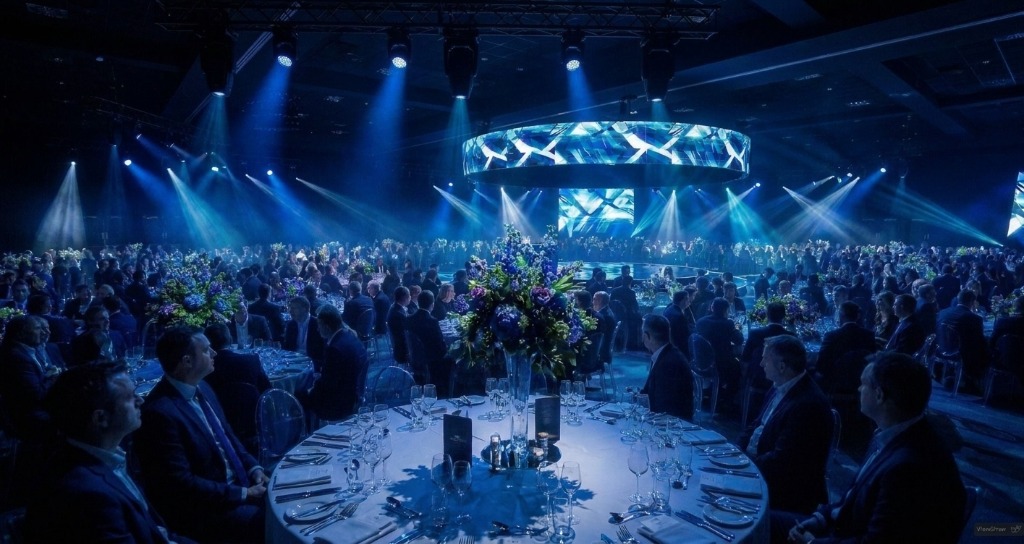
The Physics Engine: Exceptional adherence to spatial physics and a flawless camera move from the audience perspective.
Directing AI Narrative
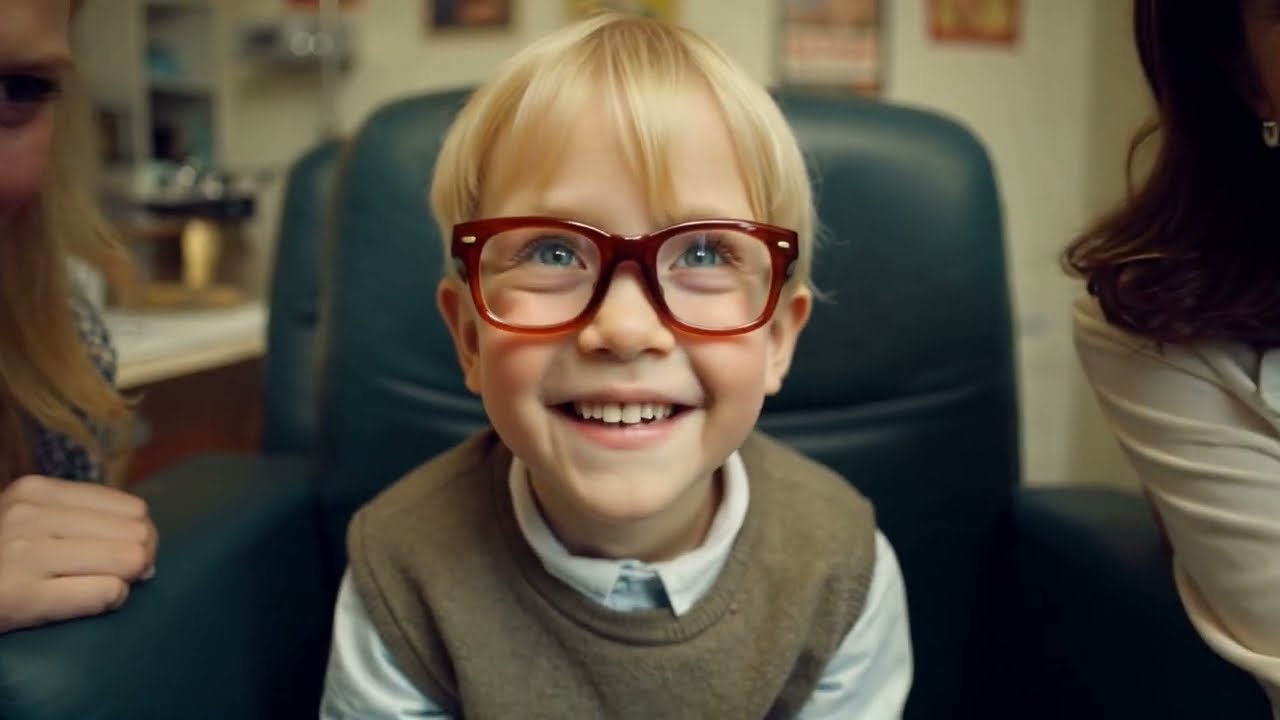
The Aphantasia Project: A deeply personal short film exploring memory, dreaming, and the inability to visualise mental imagery, created using a multi-tool generative video pipeline and assembled in DaVinci Resolve.
AI MODEL RENDER GALLERY
Full-resolution outputs from the AI Generator Stress Test.
Nano Banana 2
Nano Banana Pro
GPT Image 2
Flux 2
Seedream 4.5
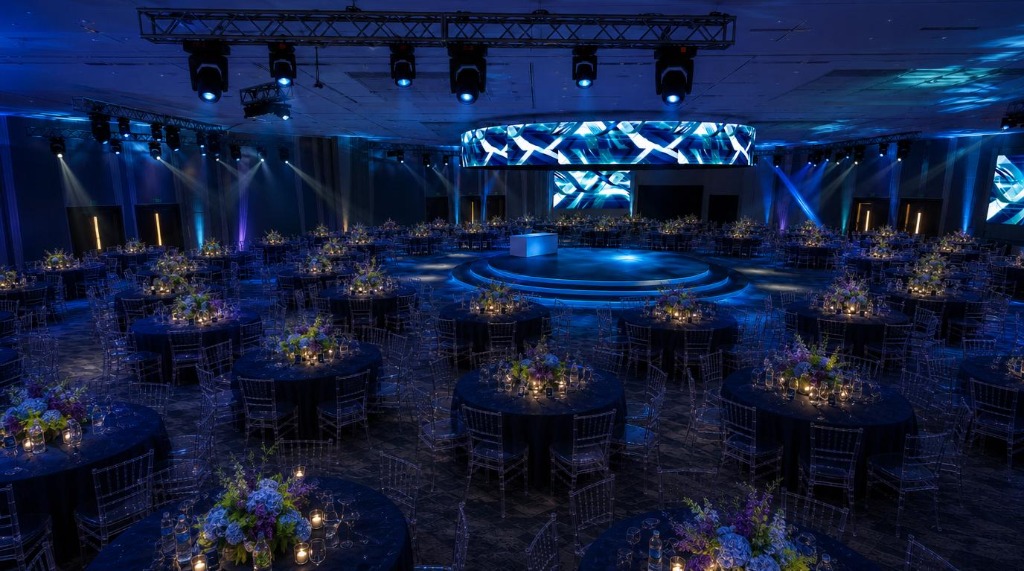
Nano Banana 2
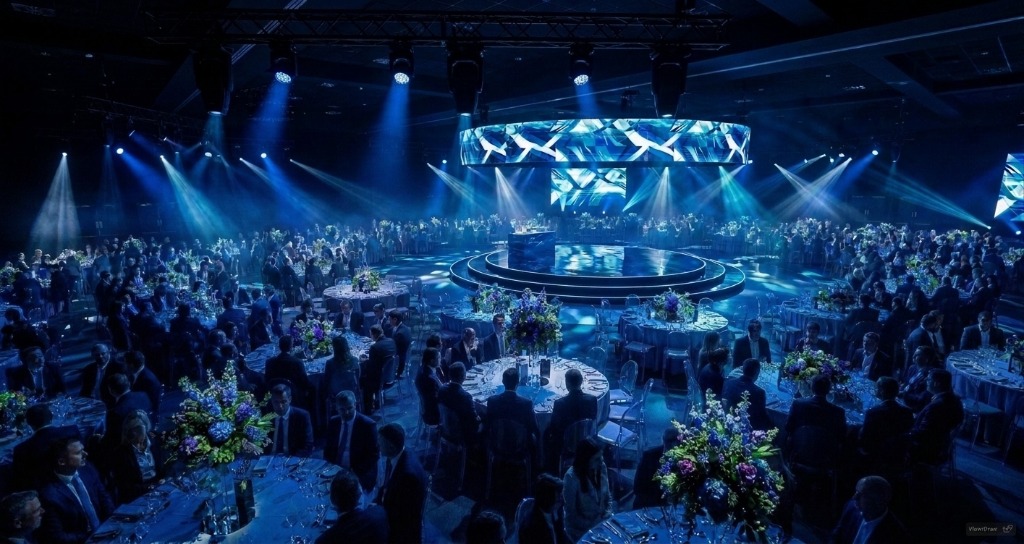
Prompt 1: Base Render
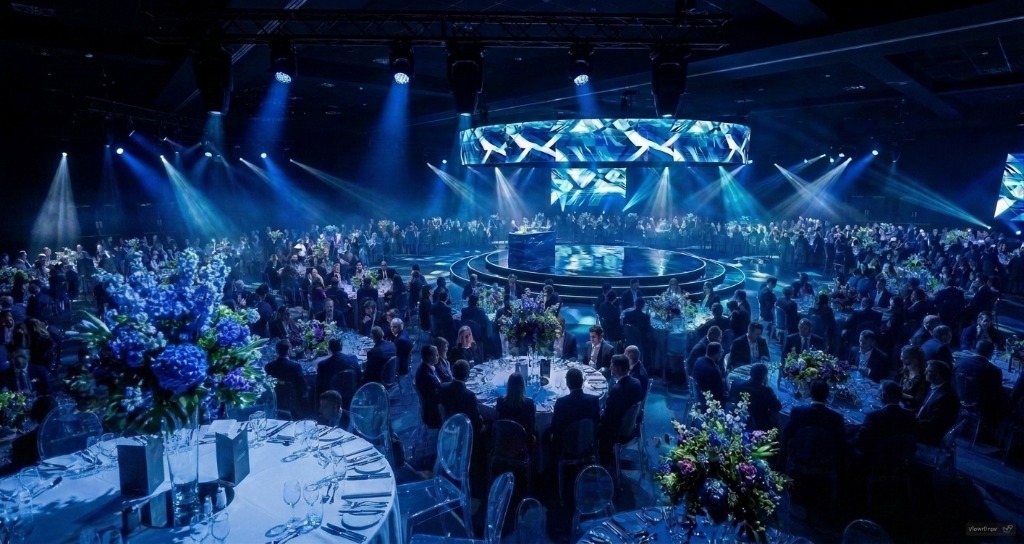
Prompt 2: Adding Details
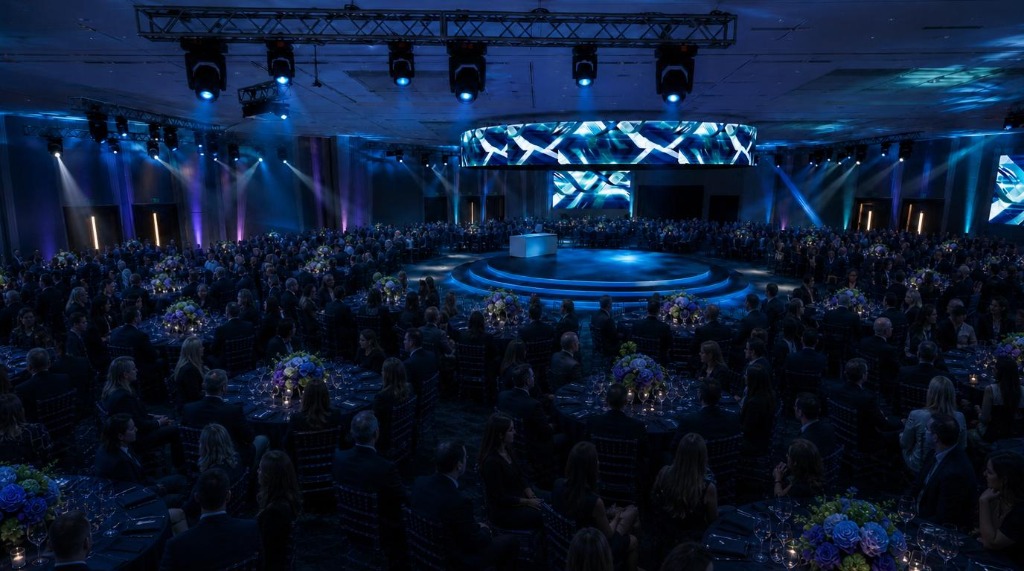
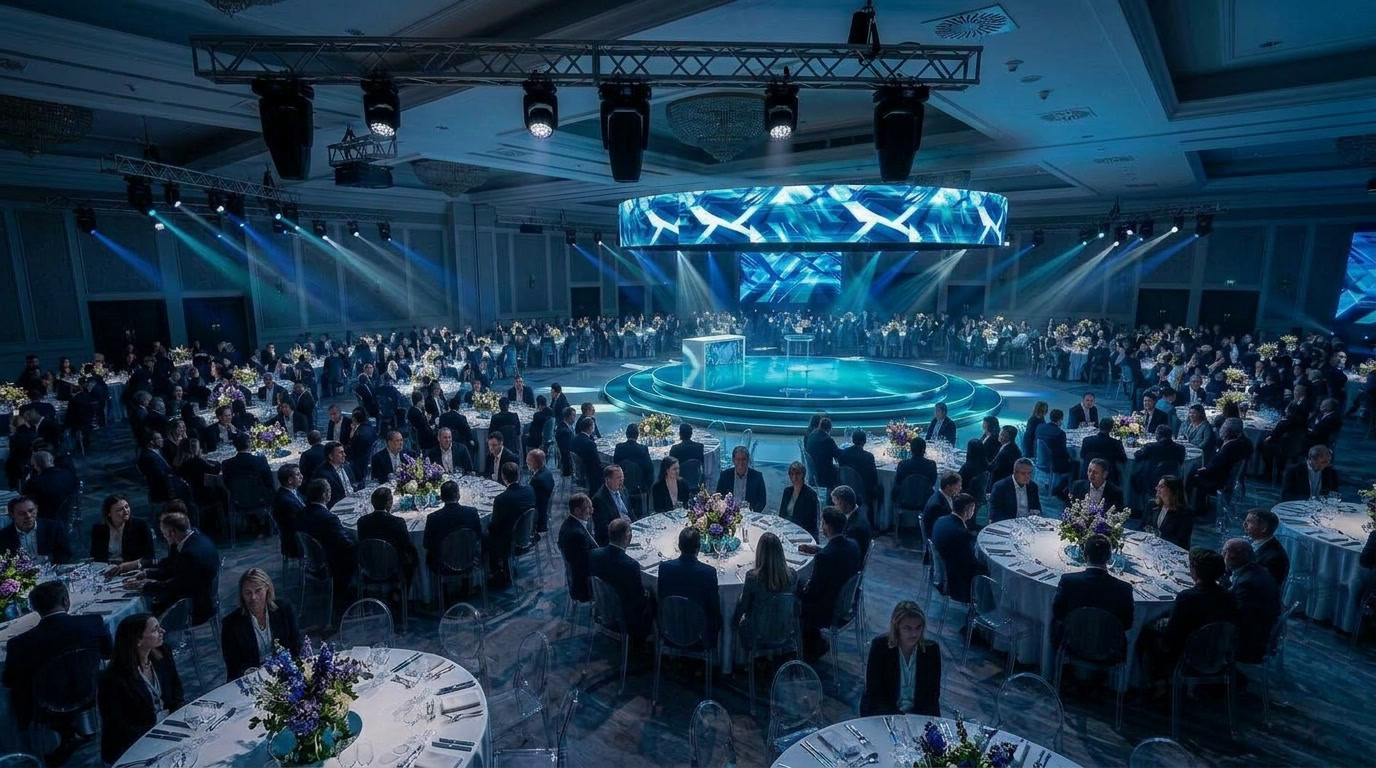
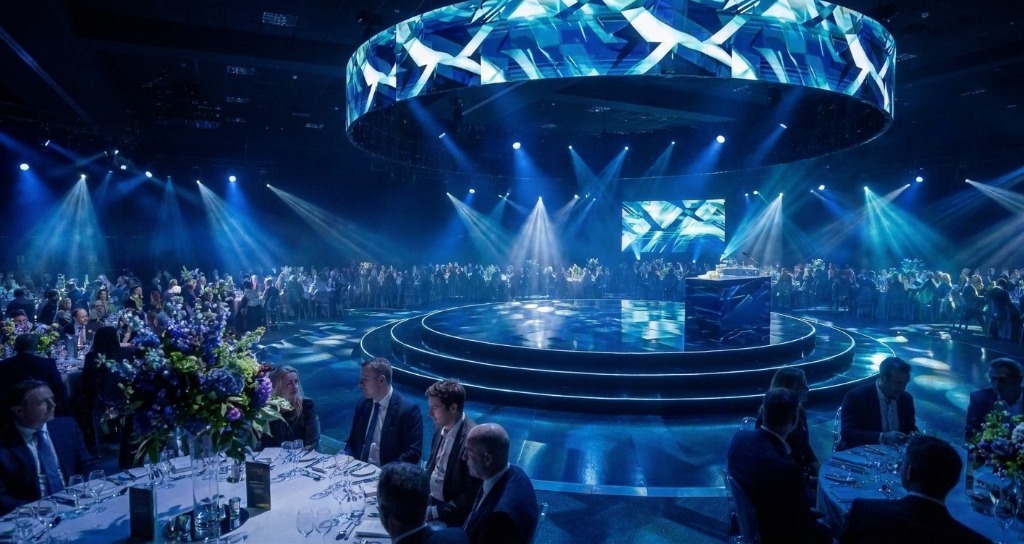
Prompt 3: Audience
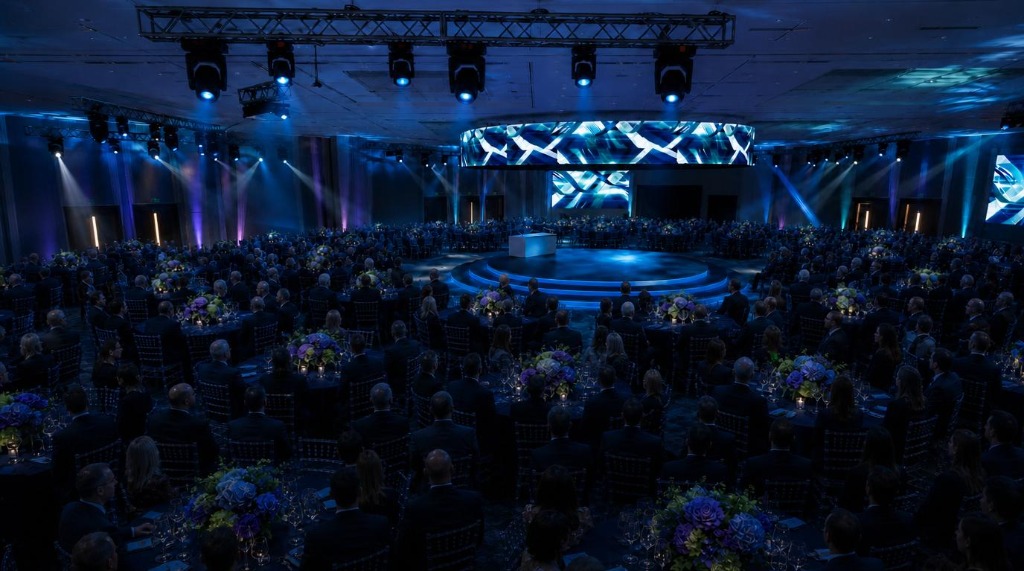
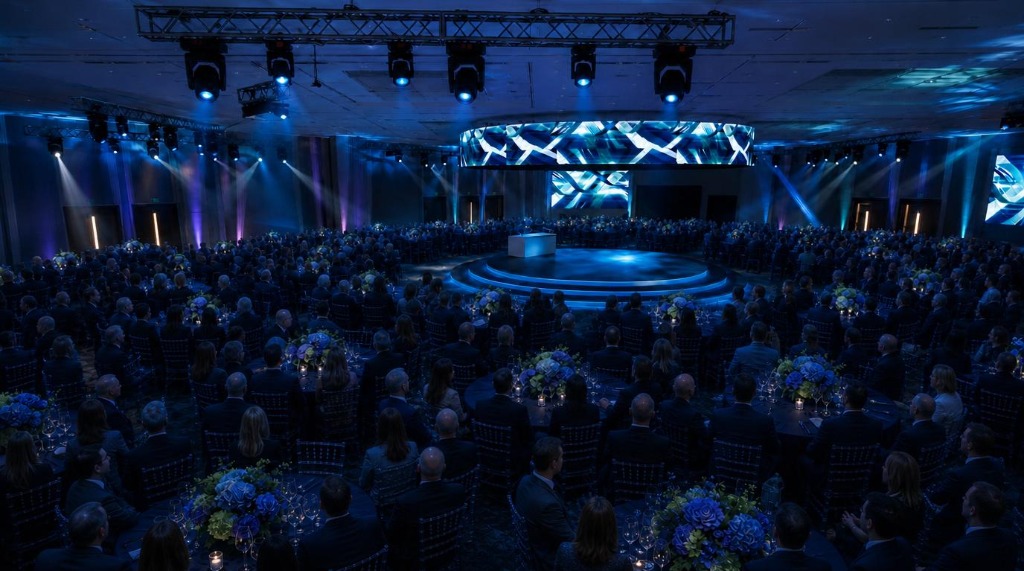
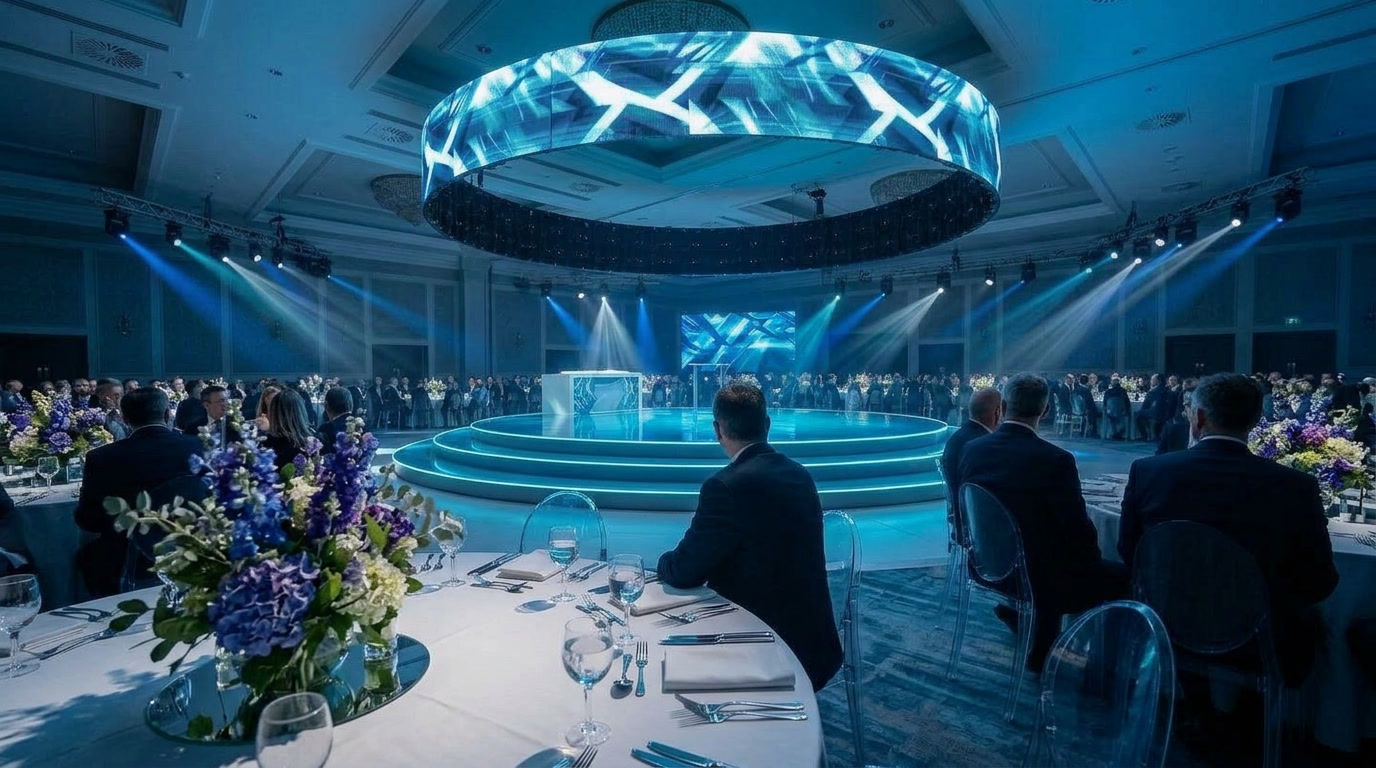
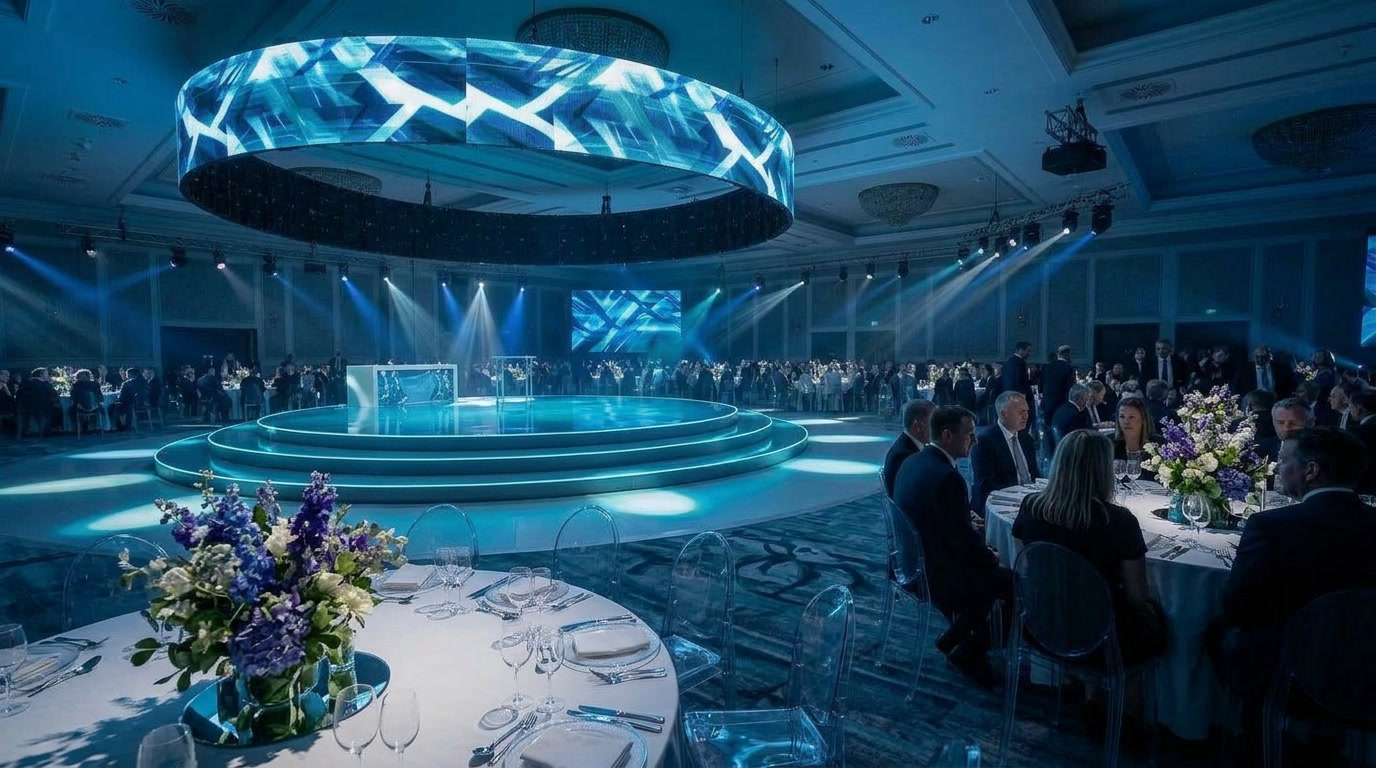
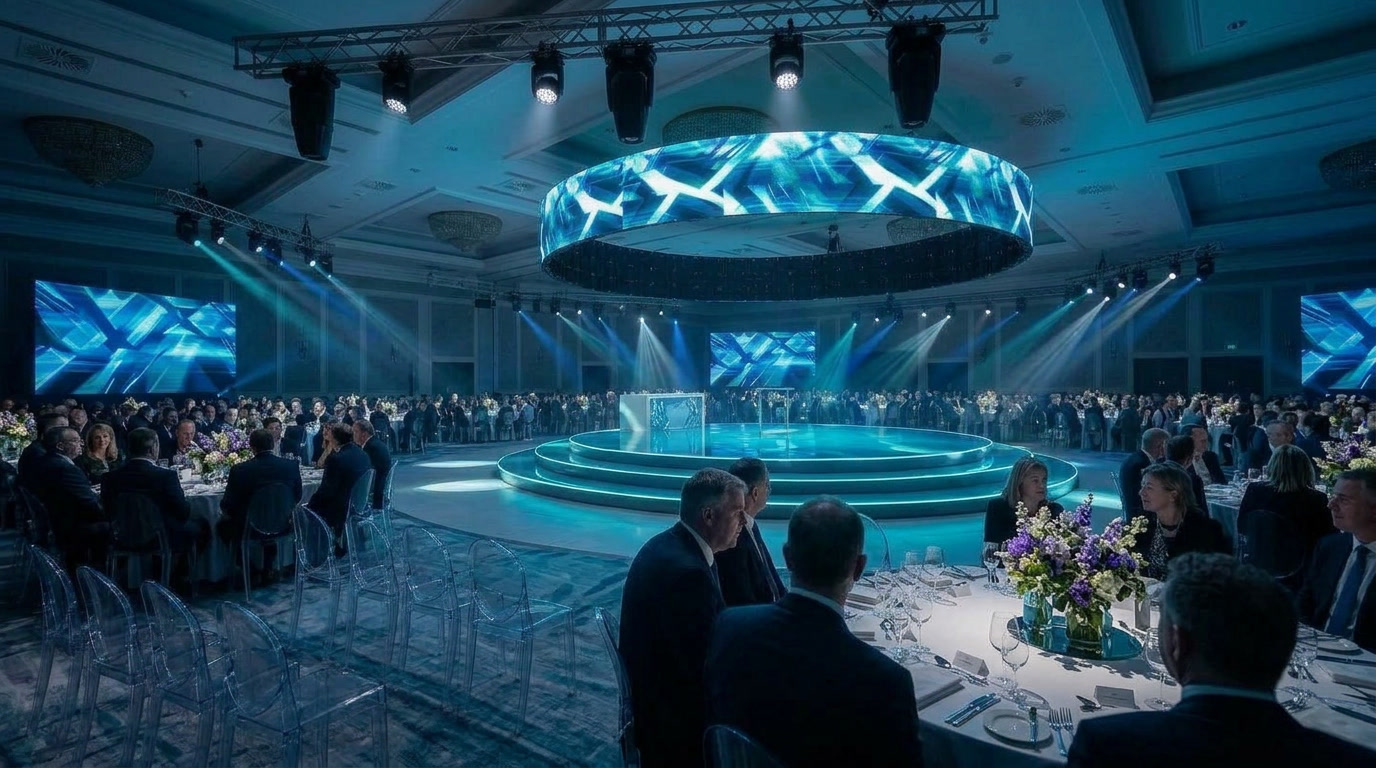
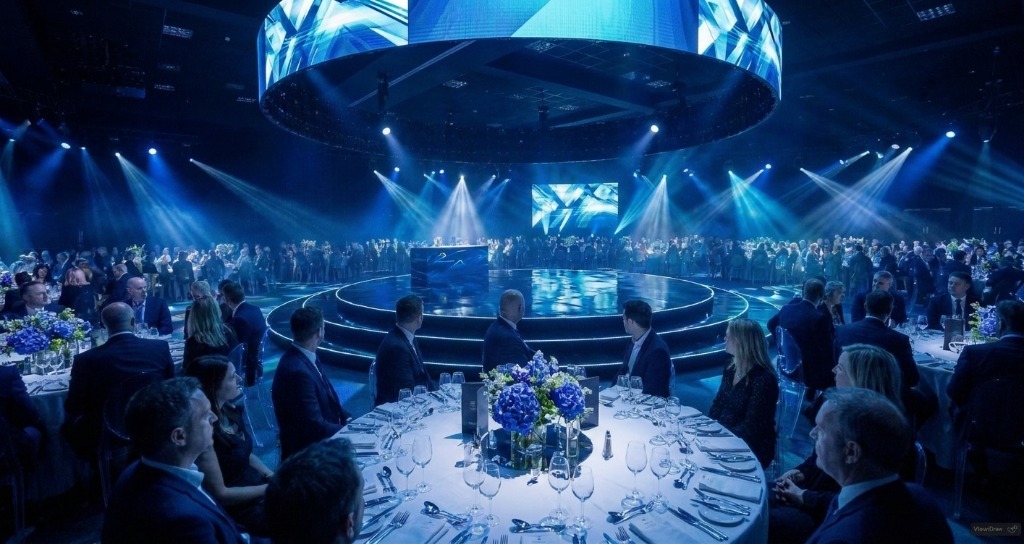
Prompt 4: Perspective
Nano Banana Pro
Prompt 1: Base Render
Prompt 2: Adding Details
Prompt 3: Audience
Prompt 4: Perspective
GPT Image 2
Prompt 1: Base Render
Prompt 2: Adding Details
Prompt 3: Audience
Prompt 4: Perspective
Flux 2
Images to be added.
Seedream 4.5
Prompt 1: Base Render
Prompt 2: Adding Details
Prompt 3: Audience
Prompt 4: Perspective
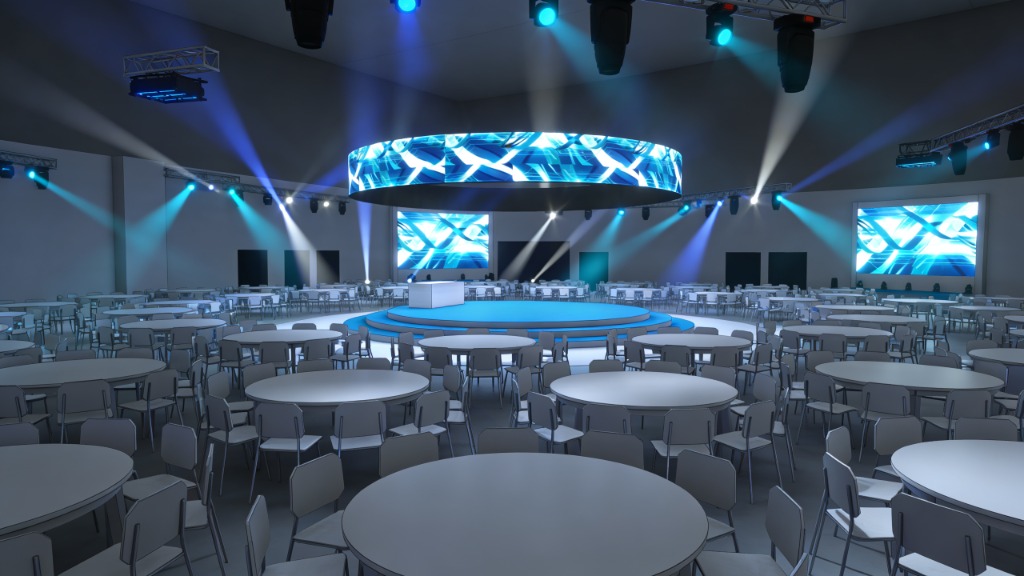
Prompt 1: Base Render
"A photorealistic, premium corporate conference event..."
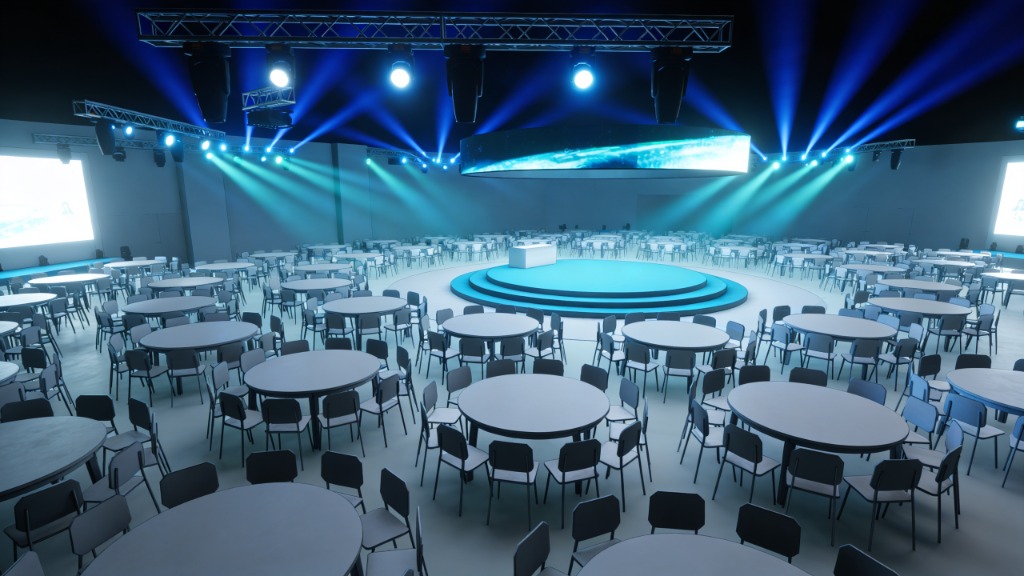
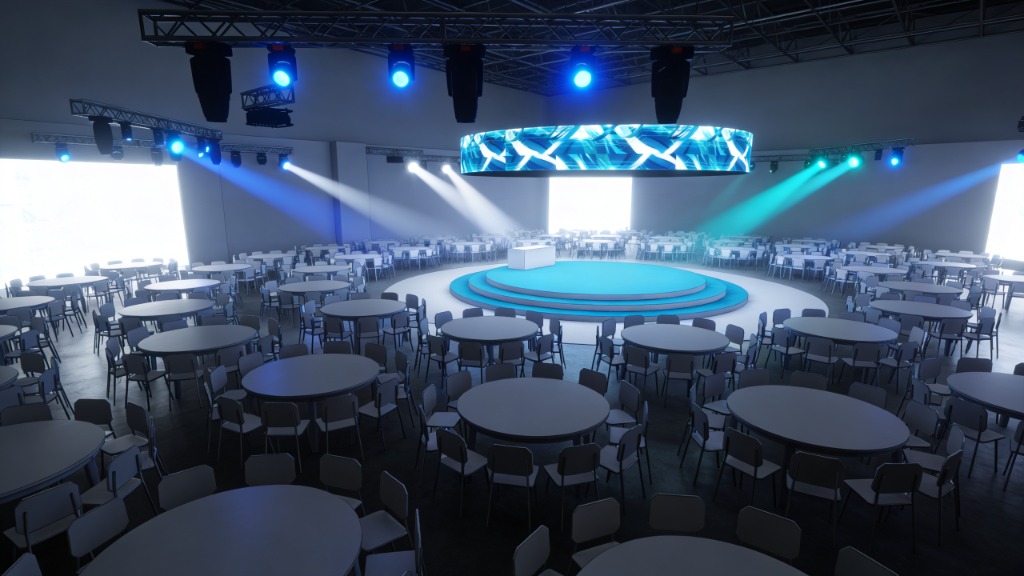
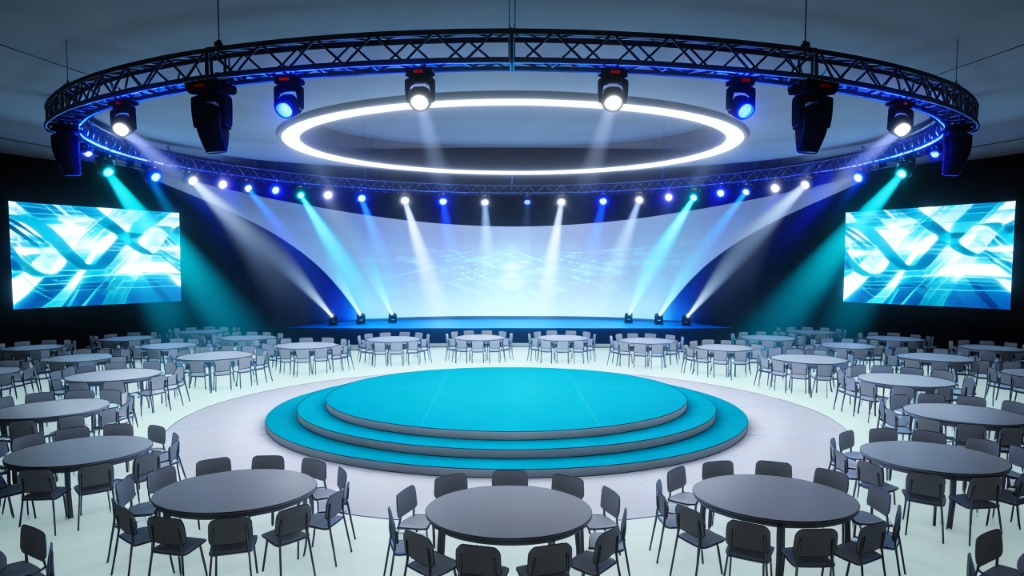
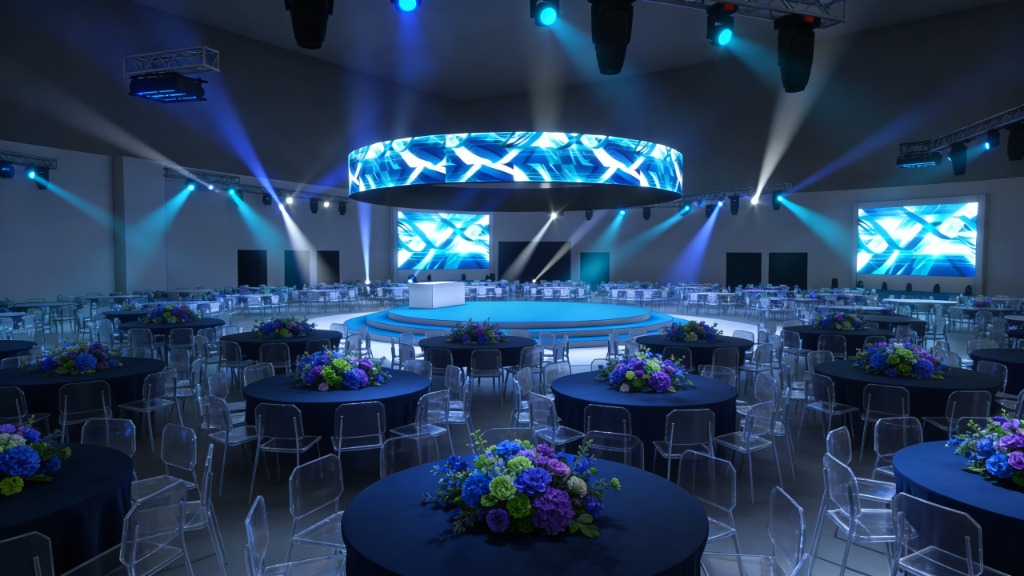
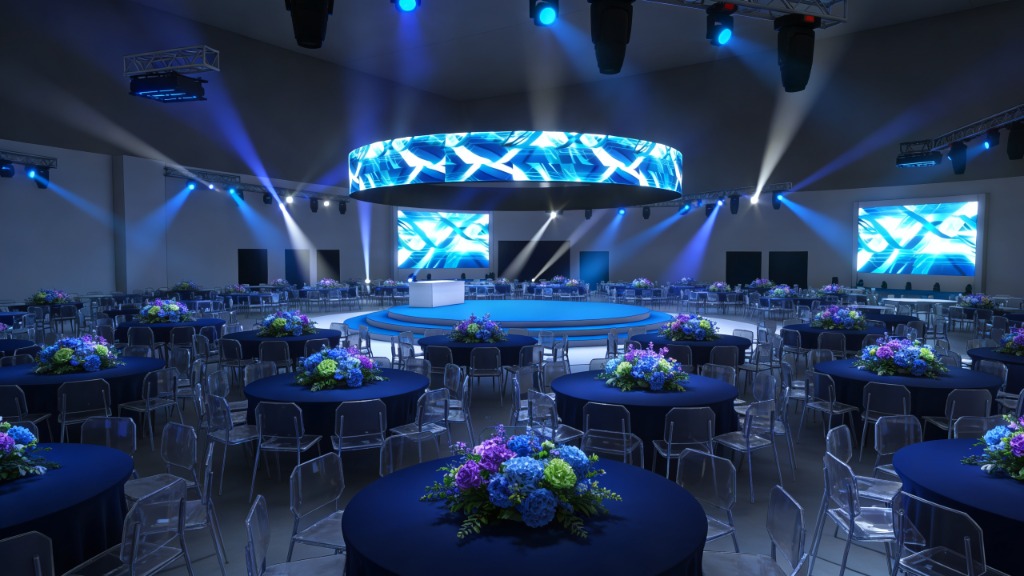
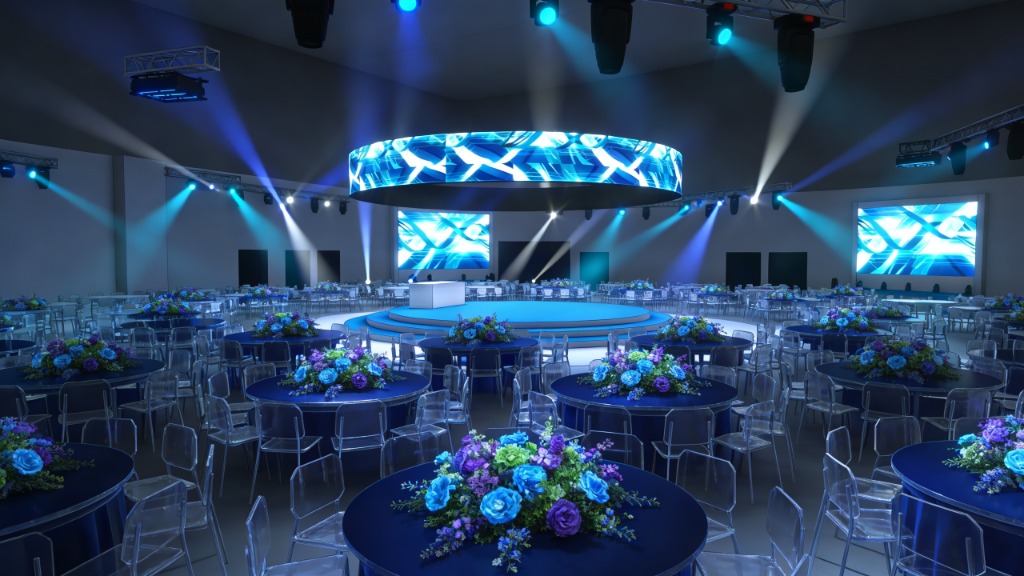
Prompt 2: Adding Details
"Add a central circular stage with an illuminated floor..."
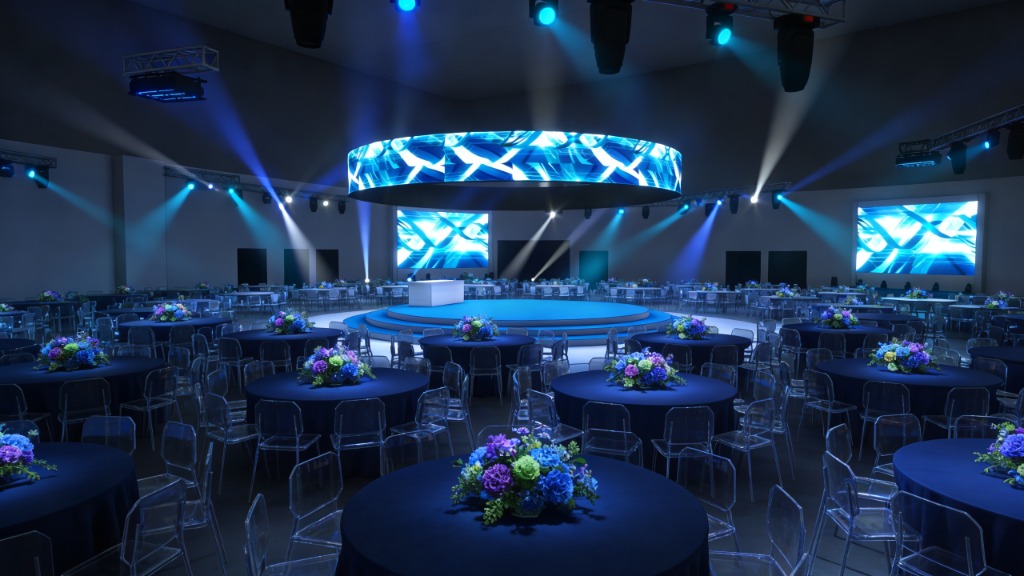
Prompt 3: Audience Addition
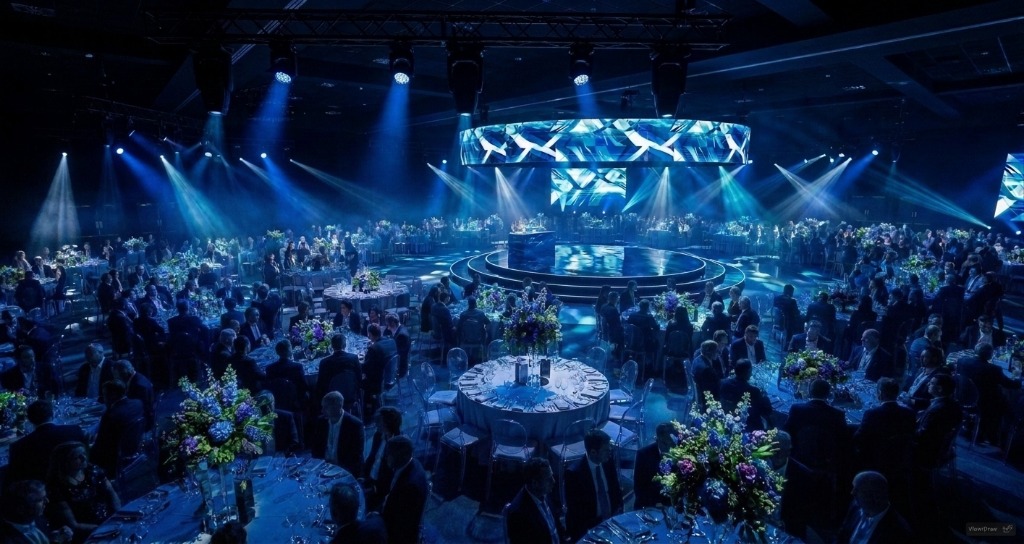
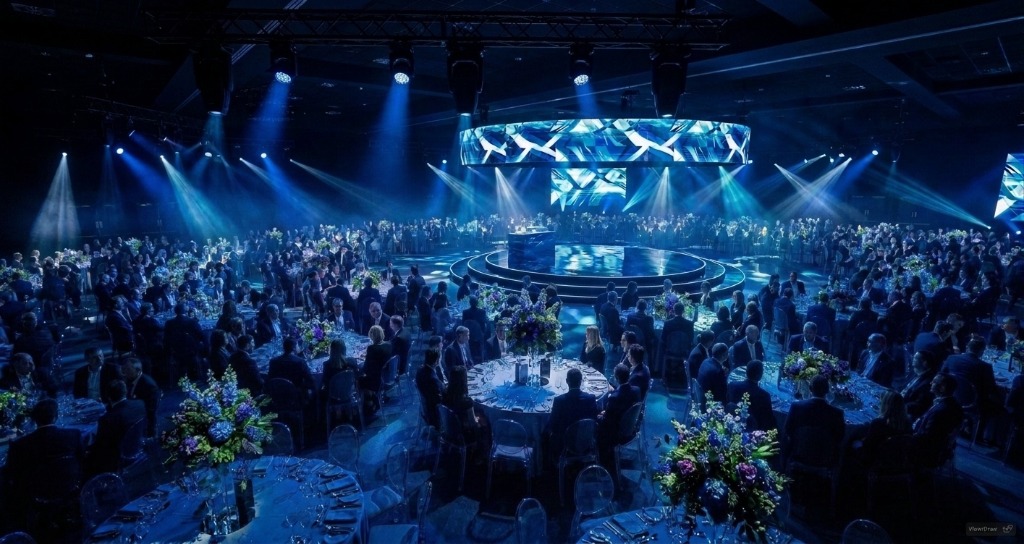
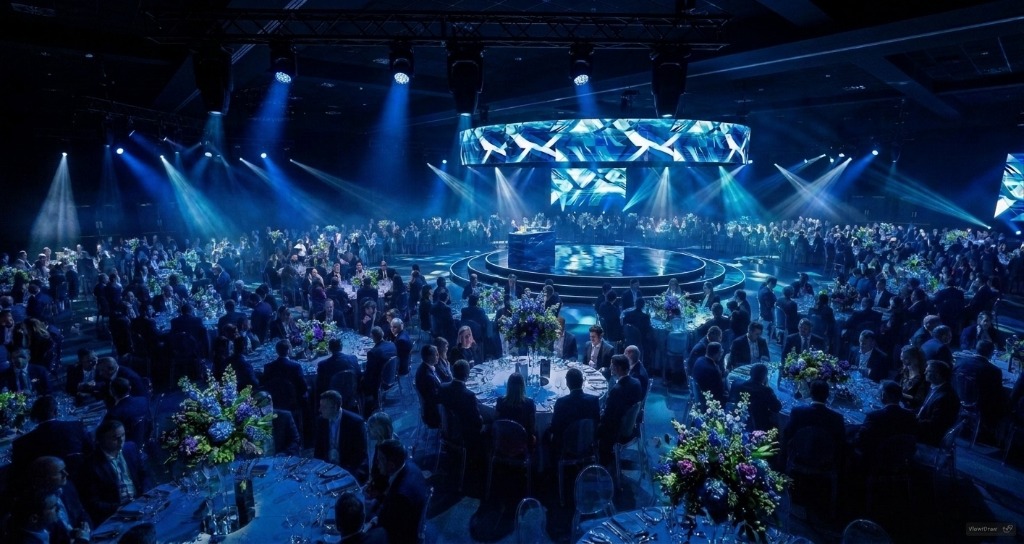
"Add an attentive foreground audience..."
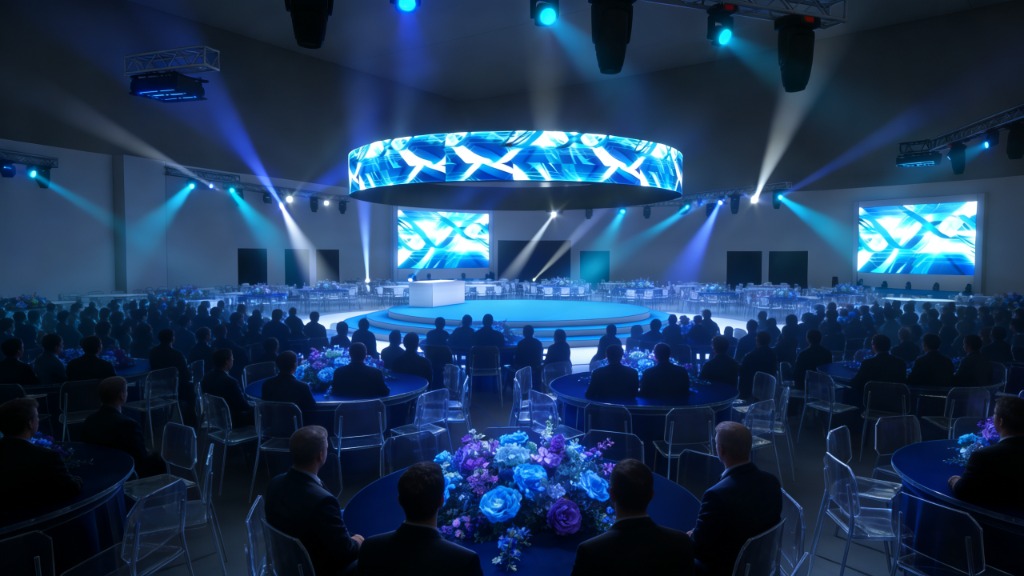
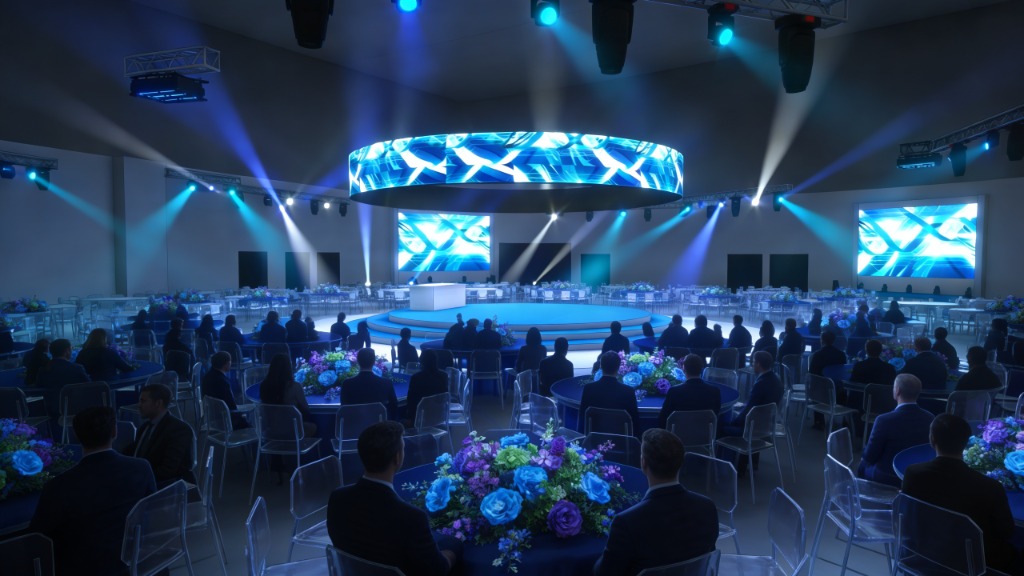
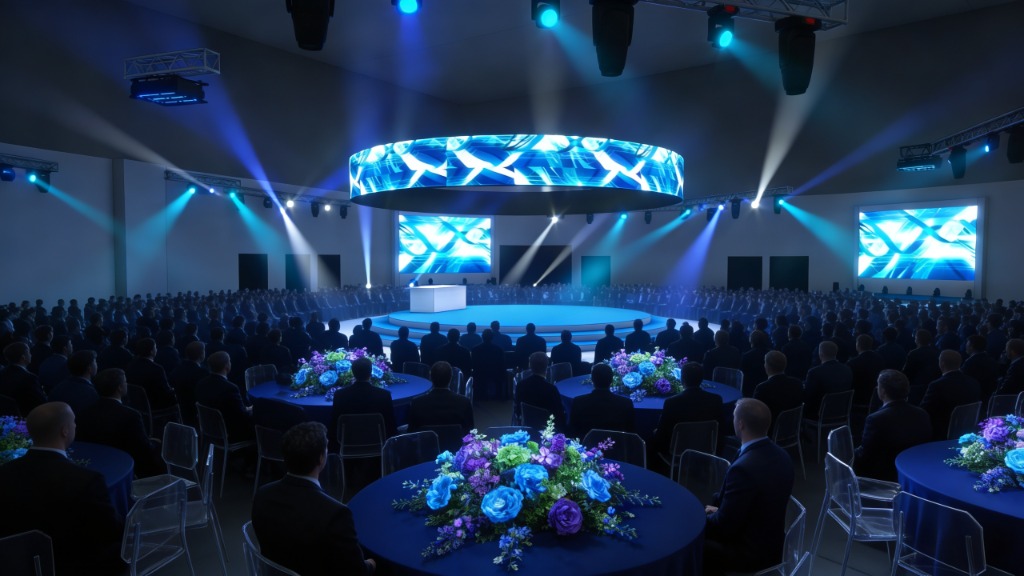
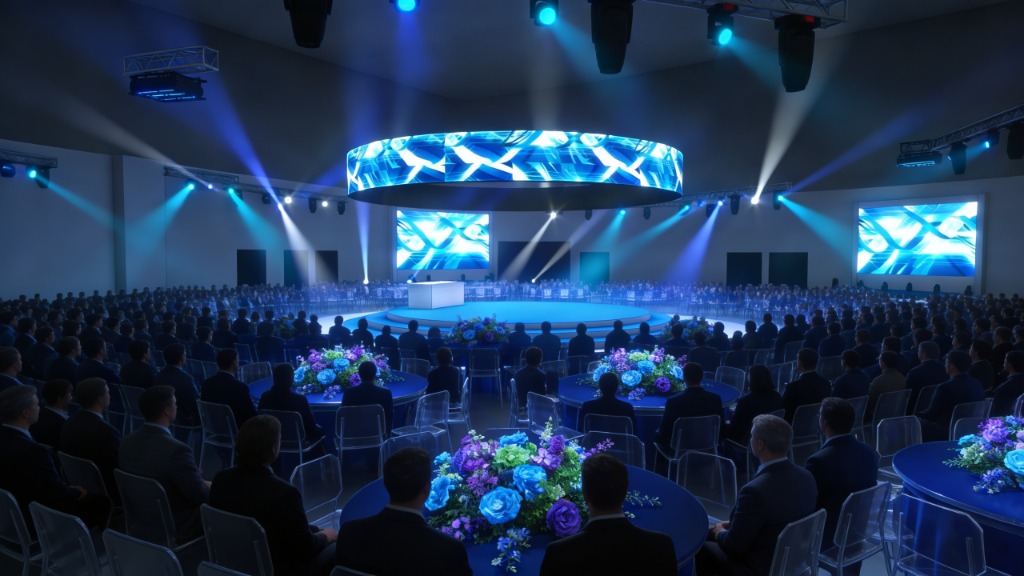
Prompt 4: Perspective Shift
"Shift camera perspective to a side angle..."
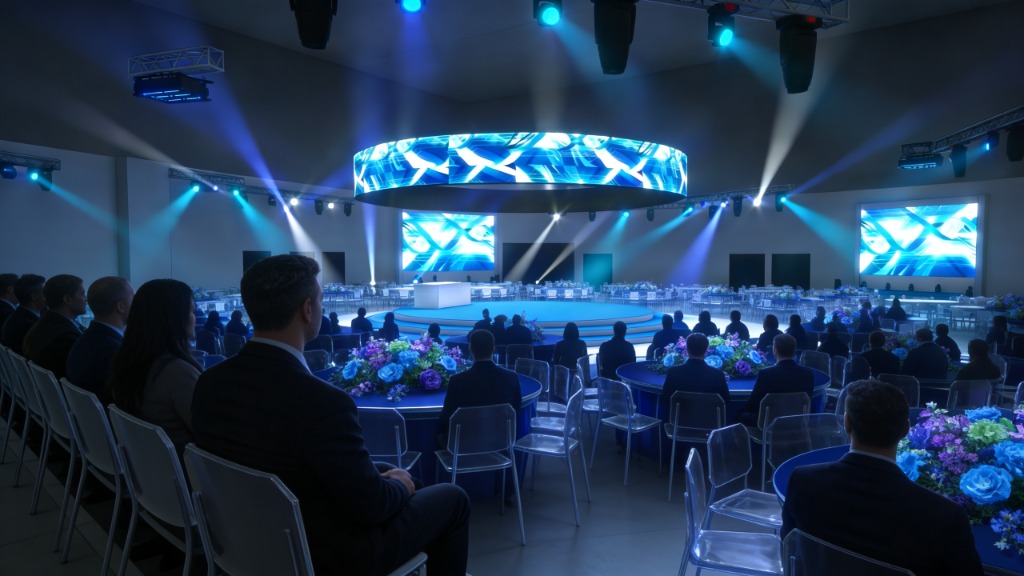
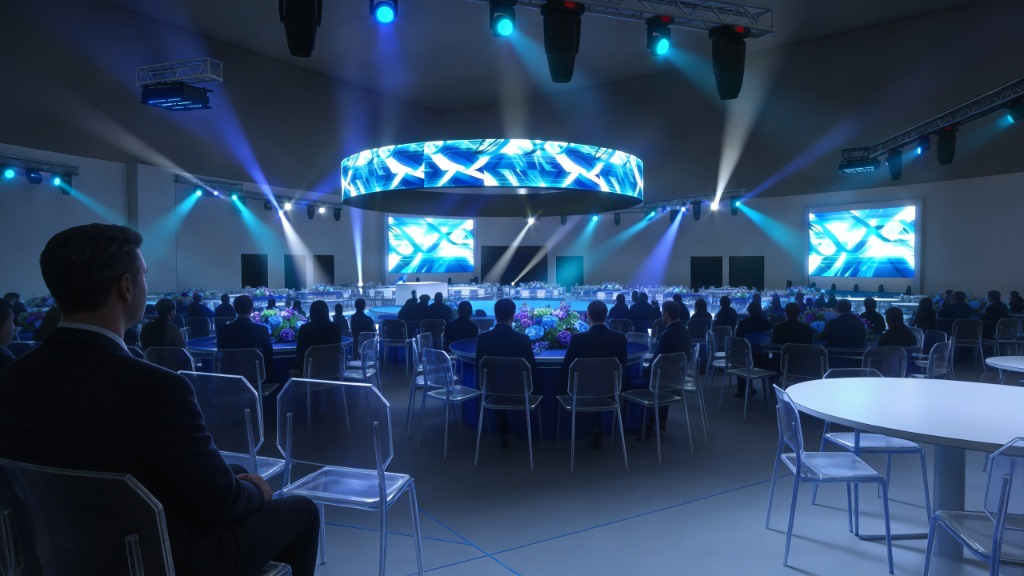
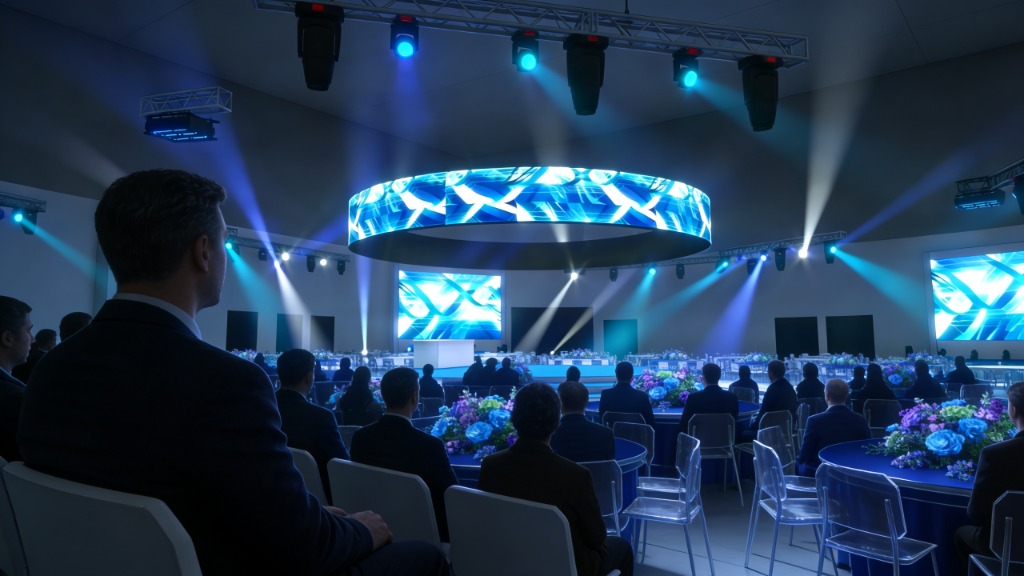
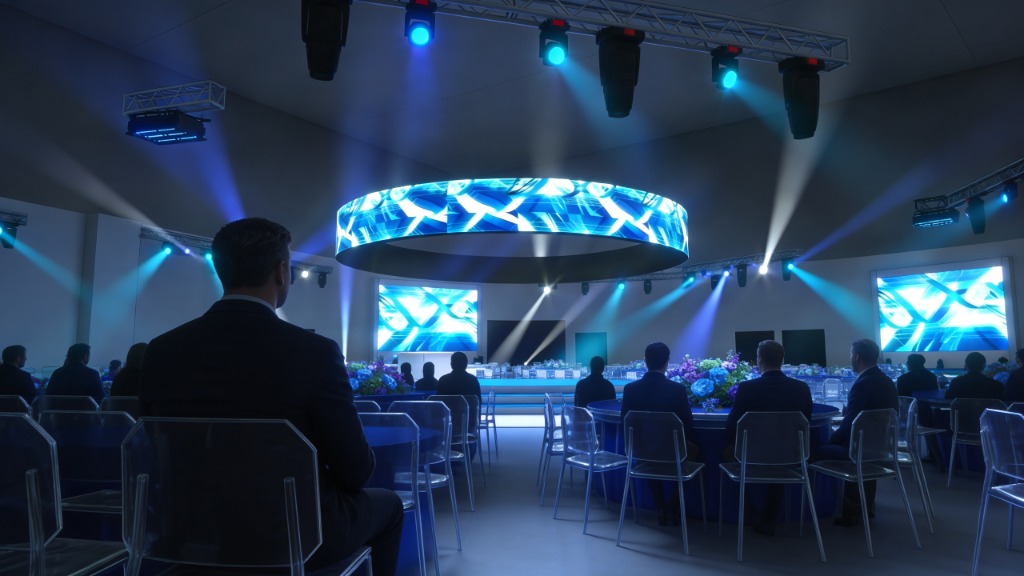
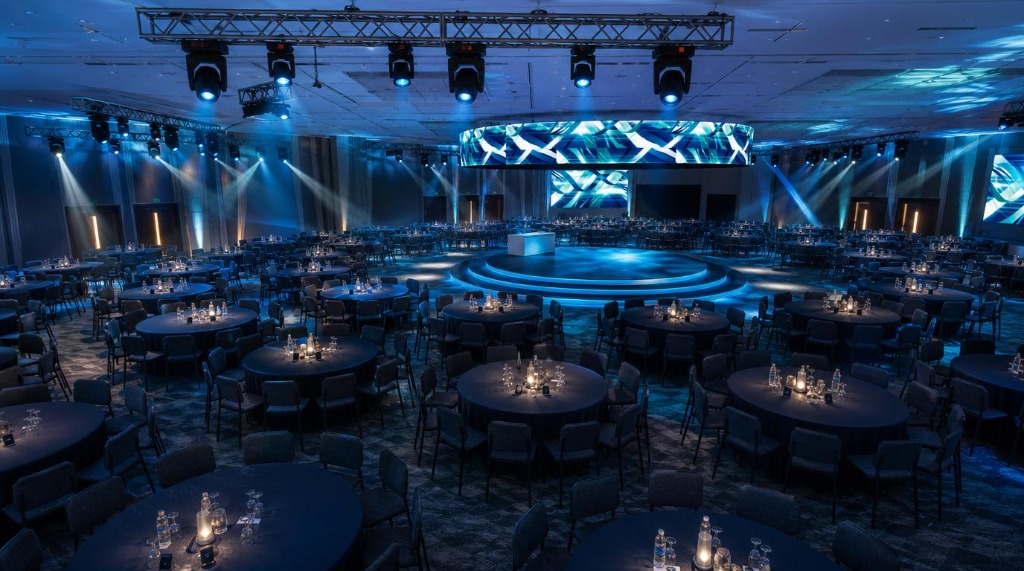
Prompt 1: Base Render
"A photorealistic, premium corporate conference event..."
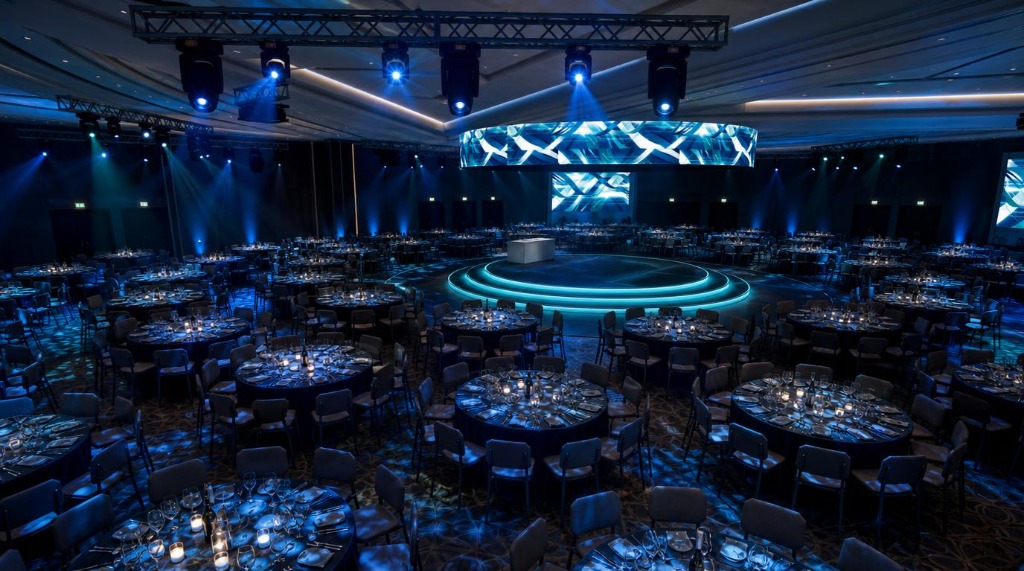
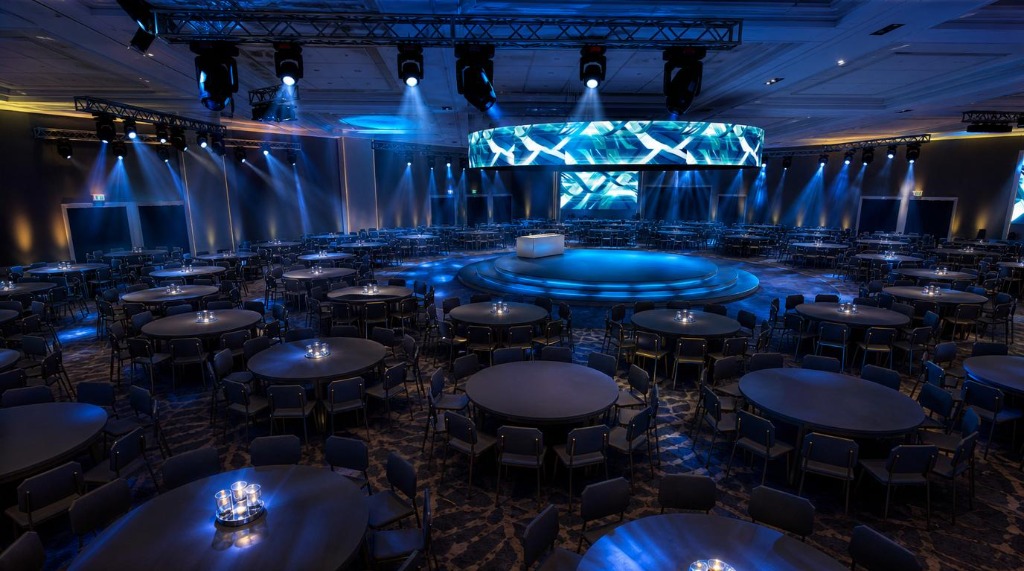
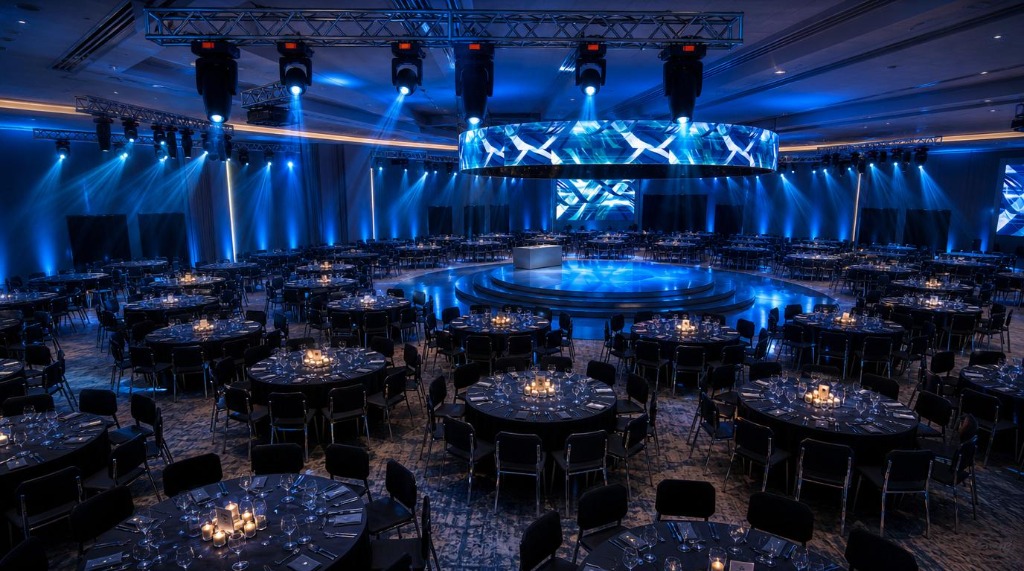
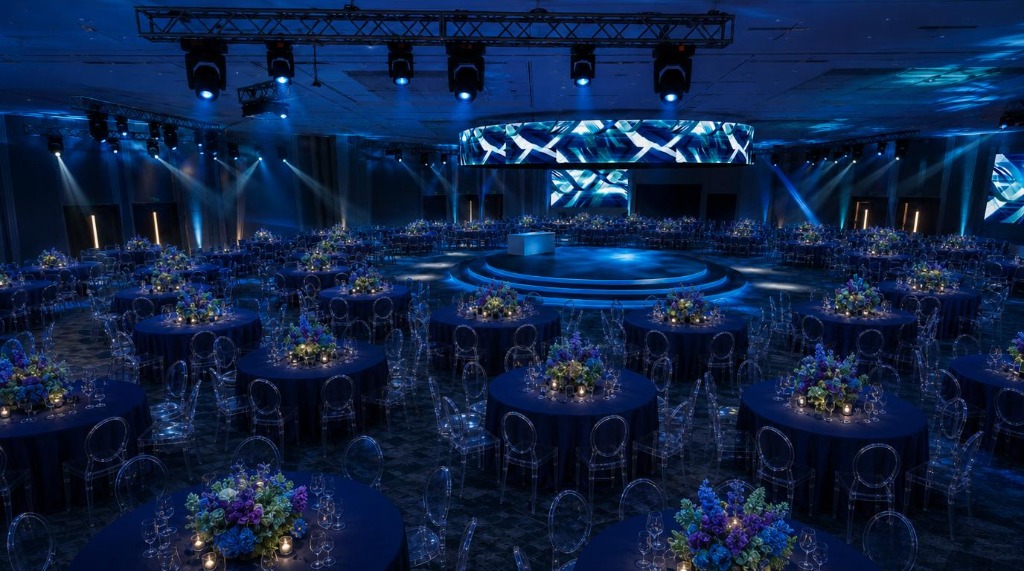
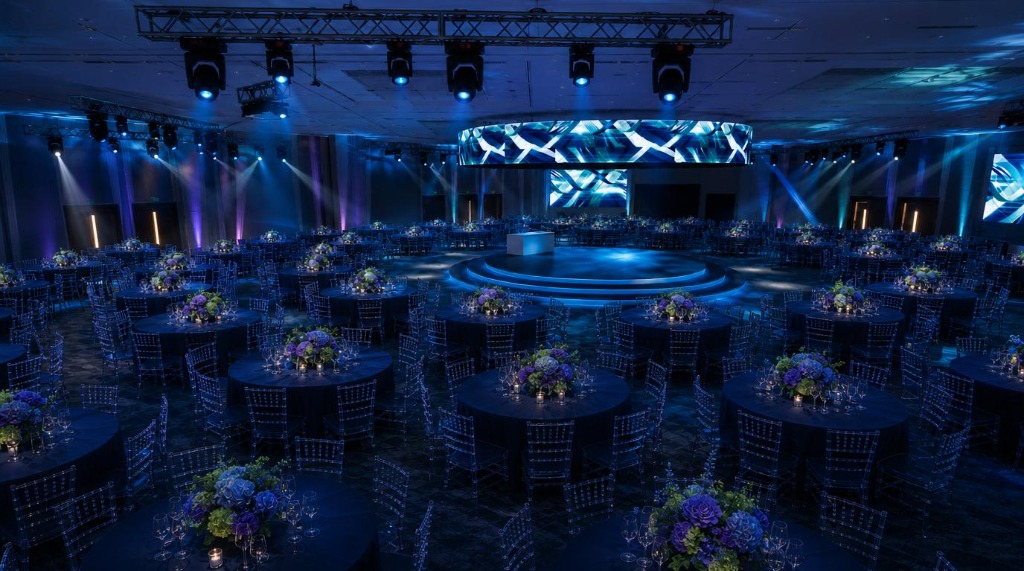
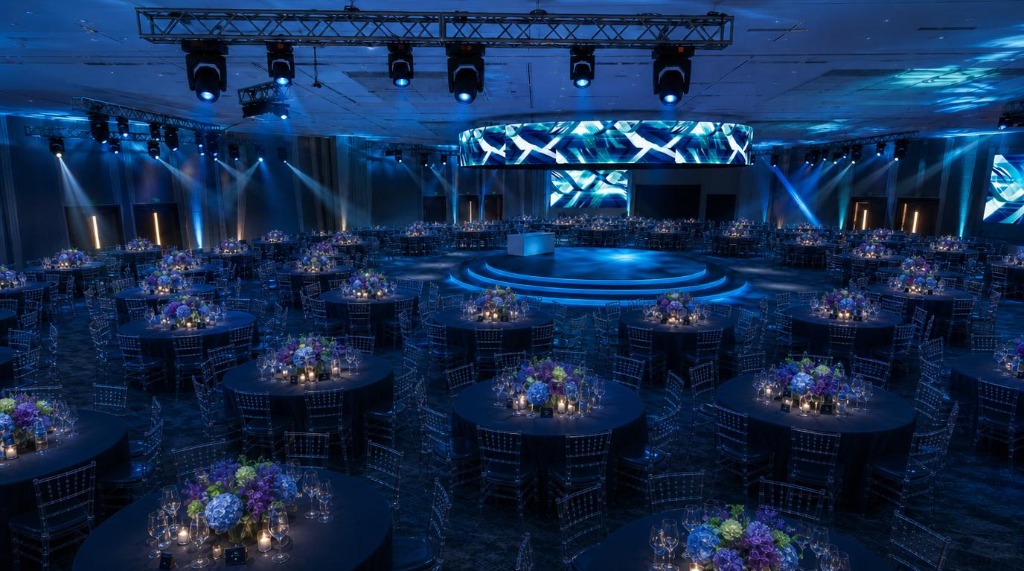
Prompt 2: Adding Details
"Add a central circular stage with an illuminated floor..."
Prompt 3: Audience Addition
"Add an attentive foreground audience..."
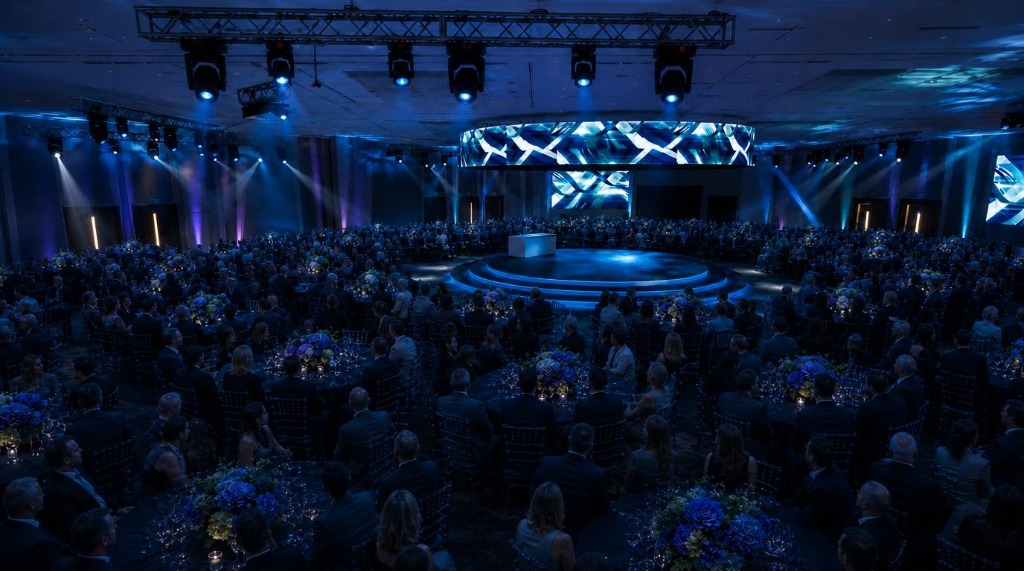
Prompt 4: Perspective Shift
"Shift camera perspective to a side angle..."
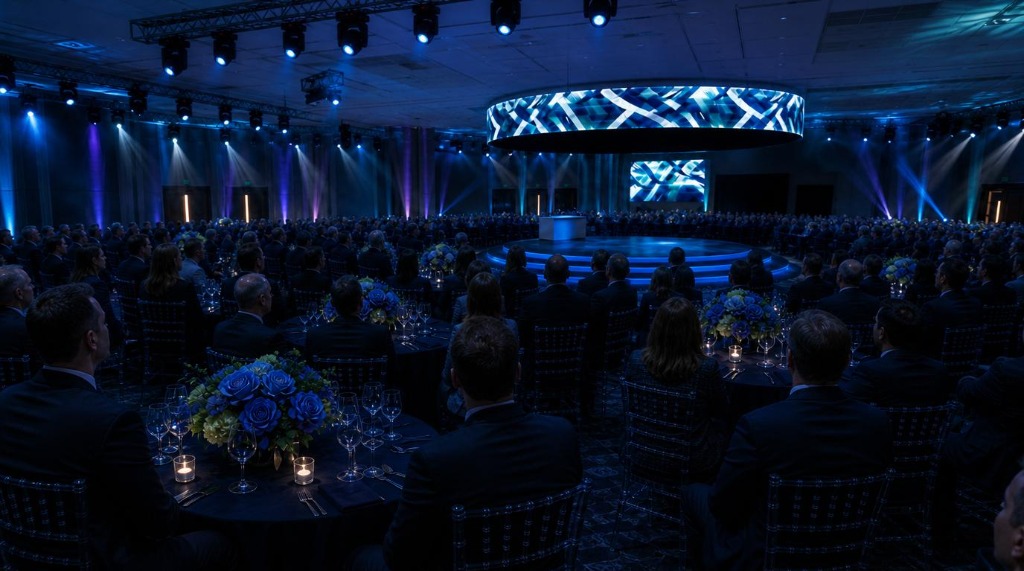
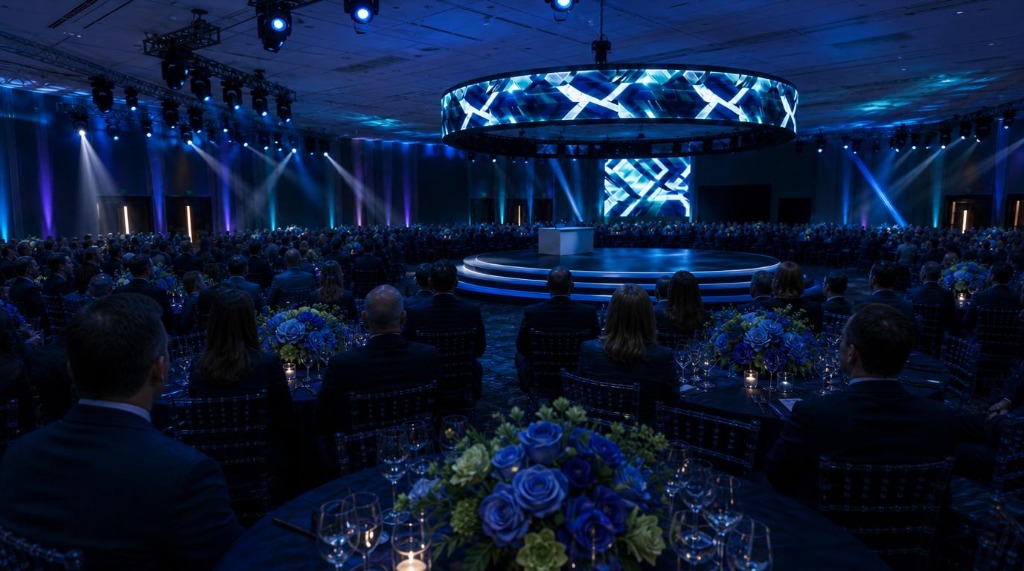
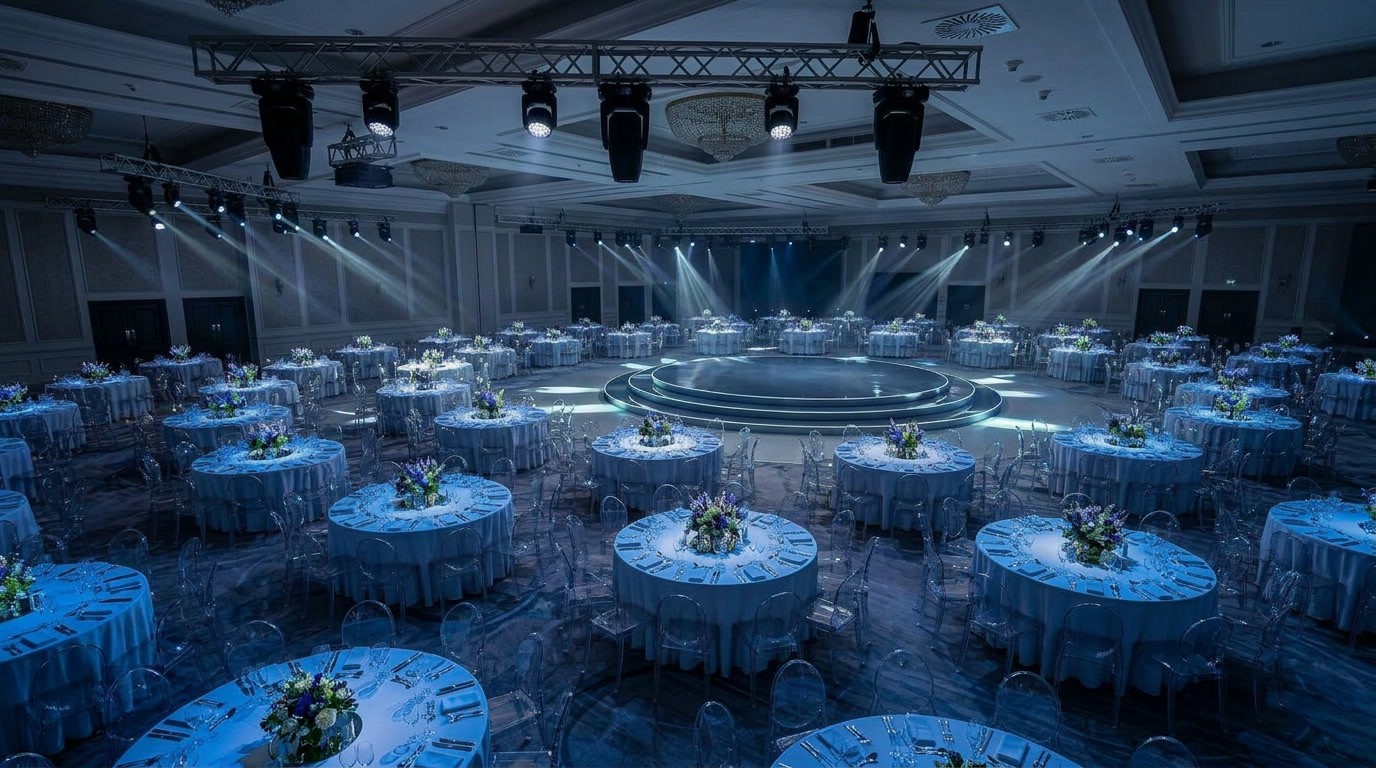
Prompt 1: Base Render
"A photorealistic, premium corporate conference event..."
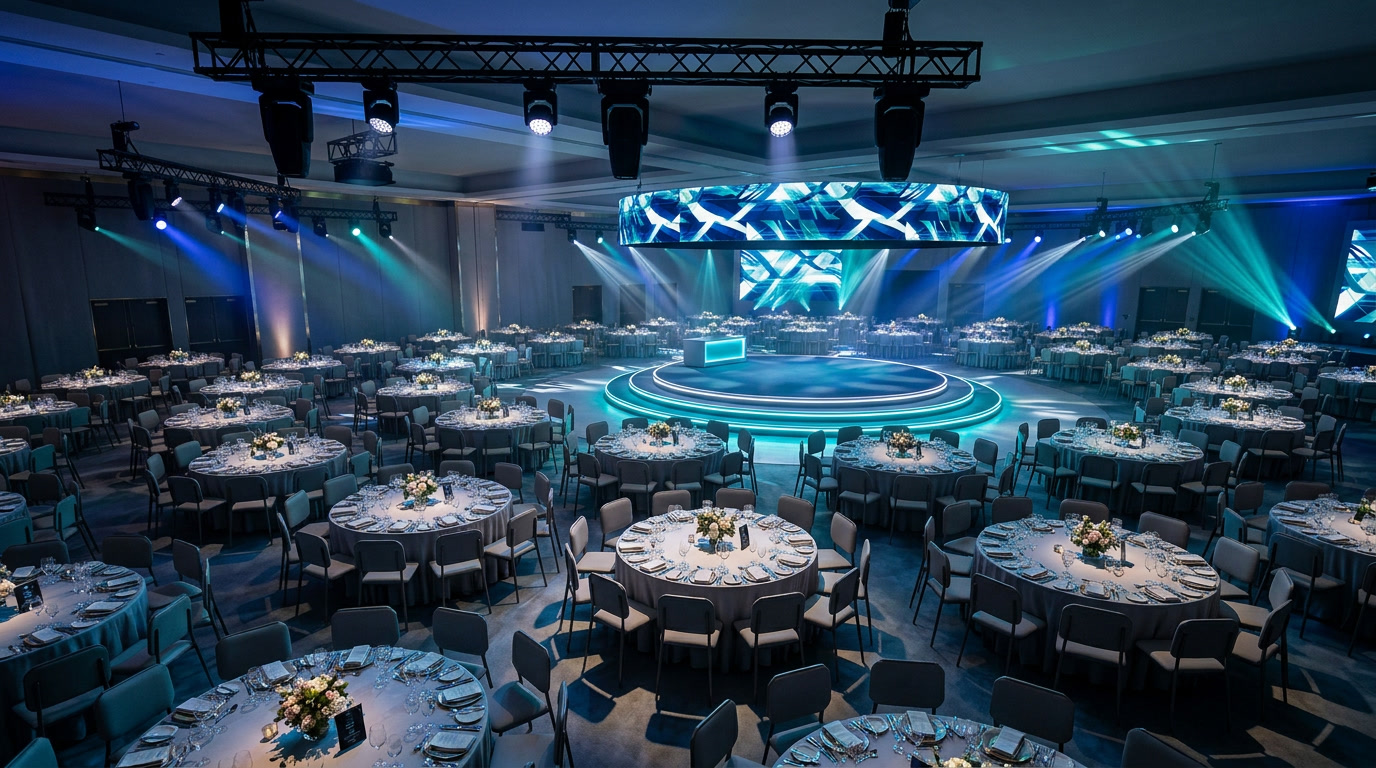
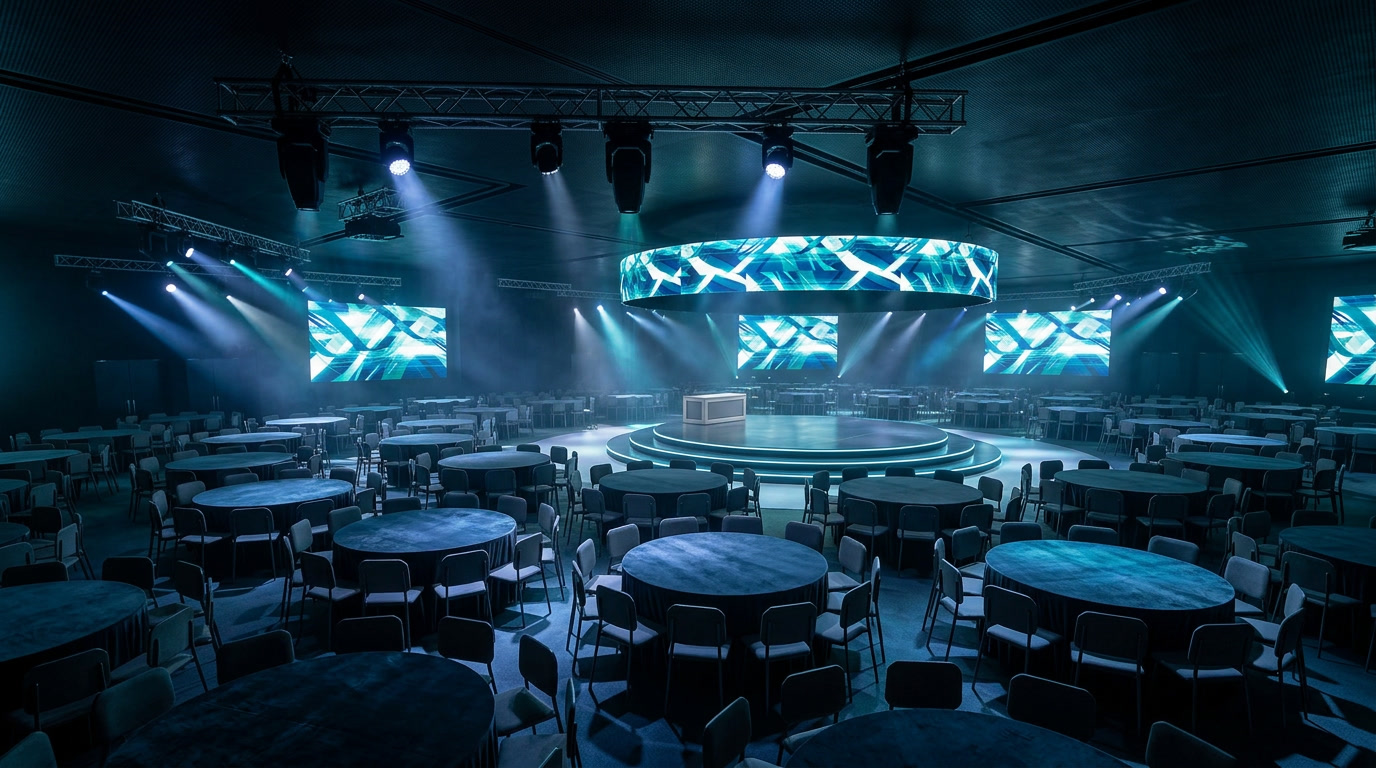
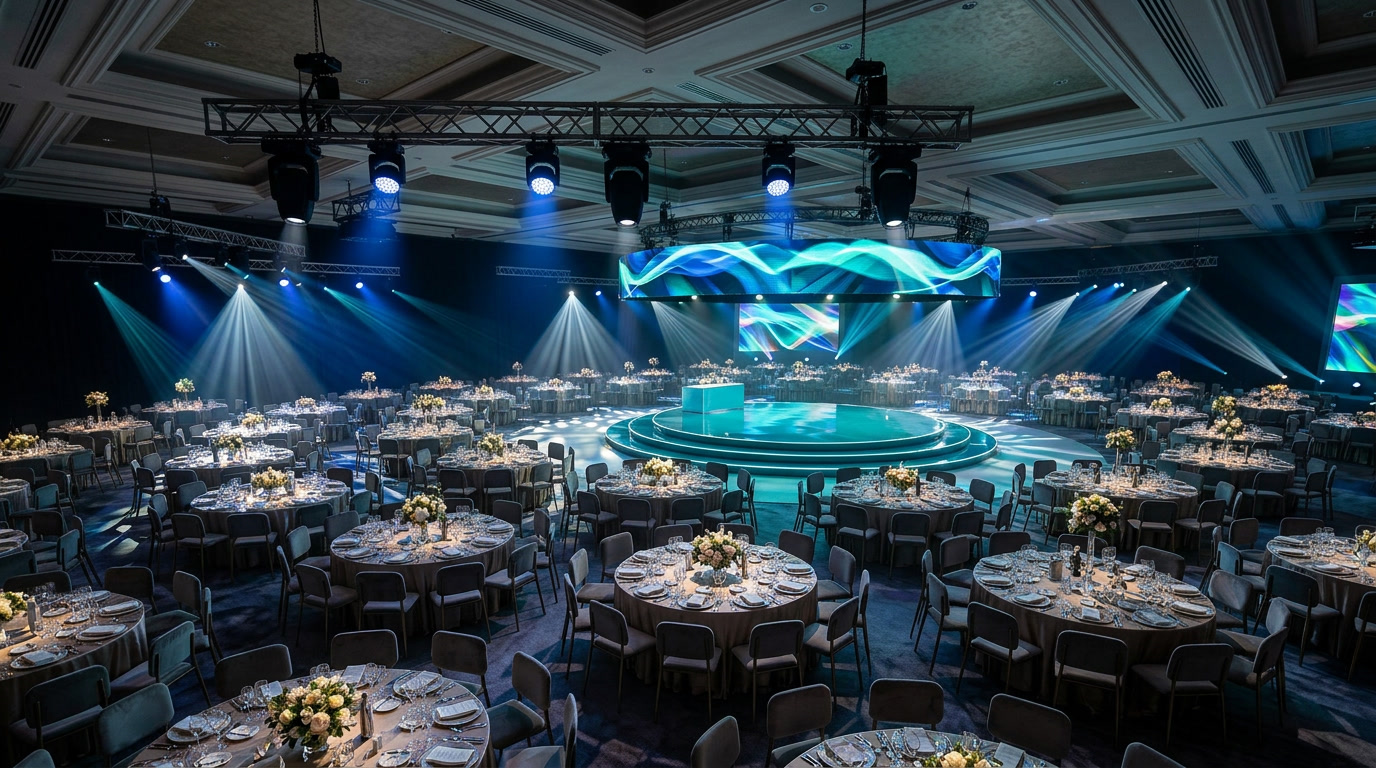
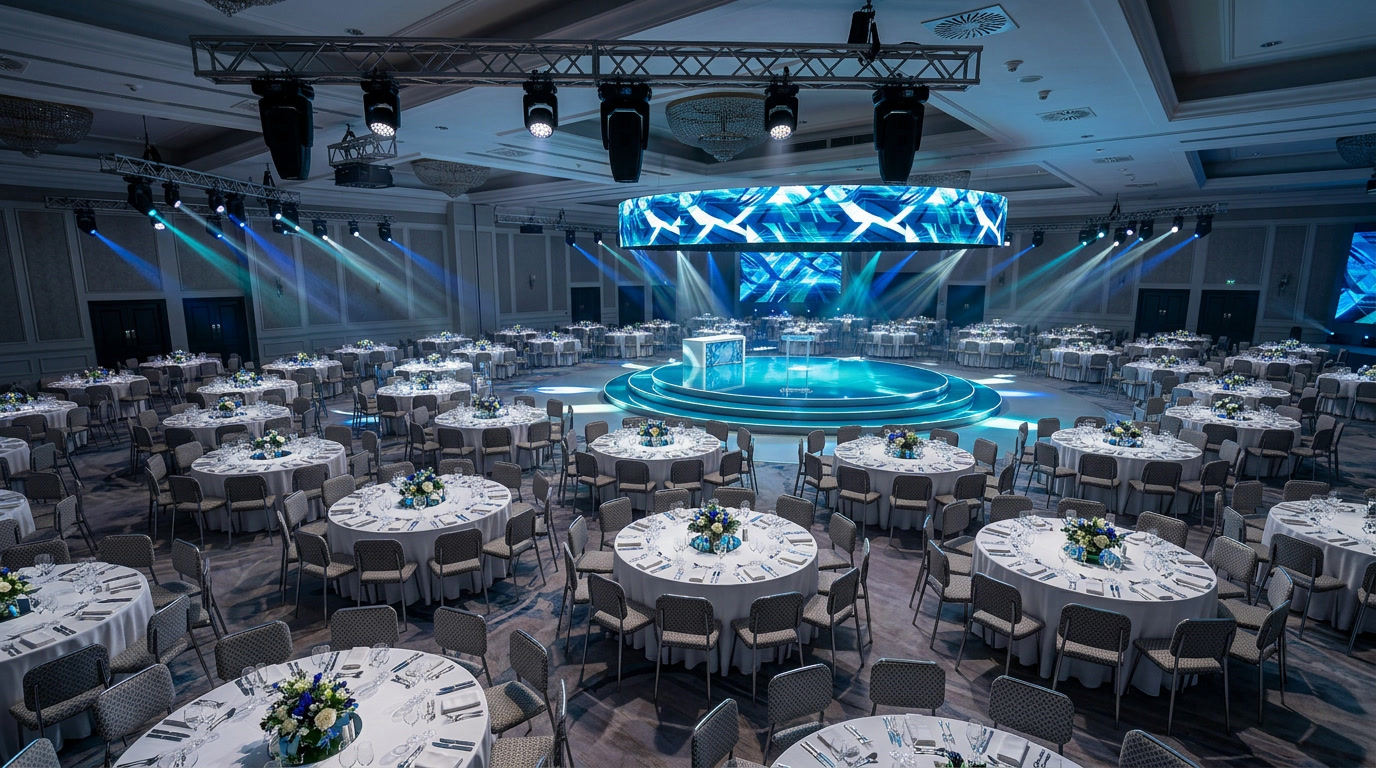
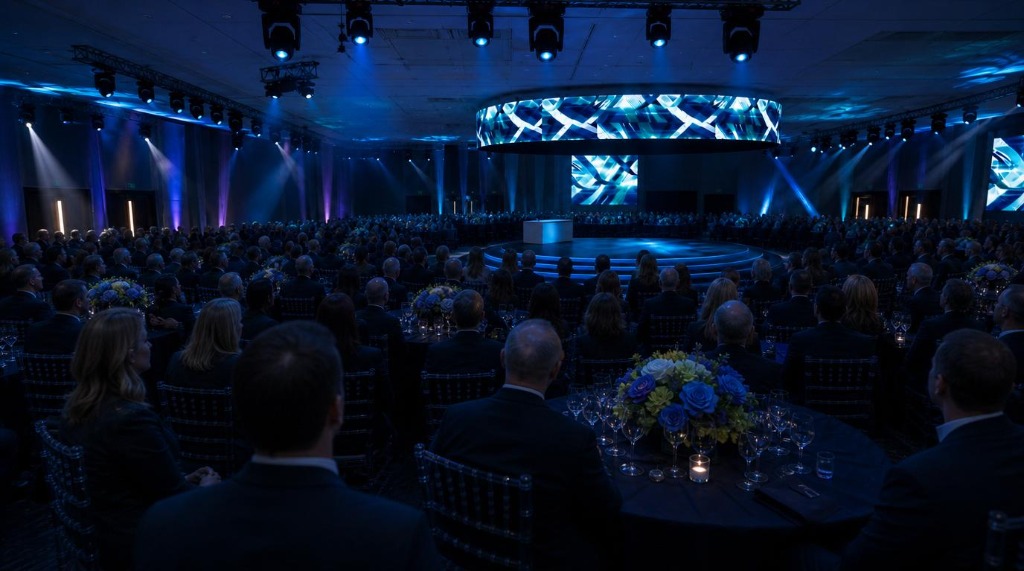
Prompt 2: Adding Details
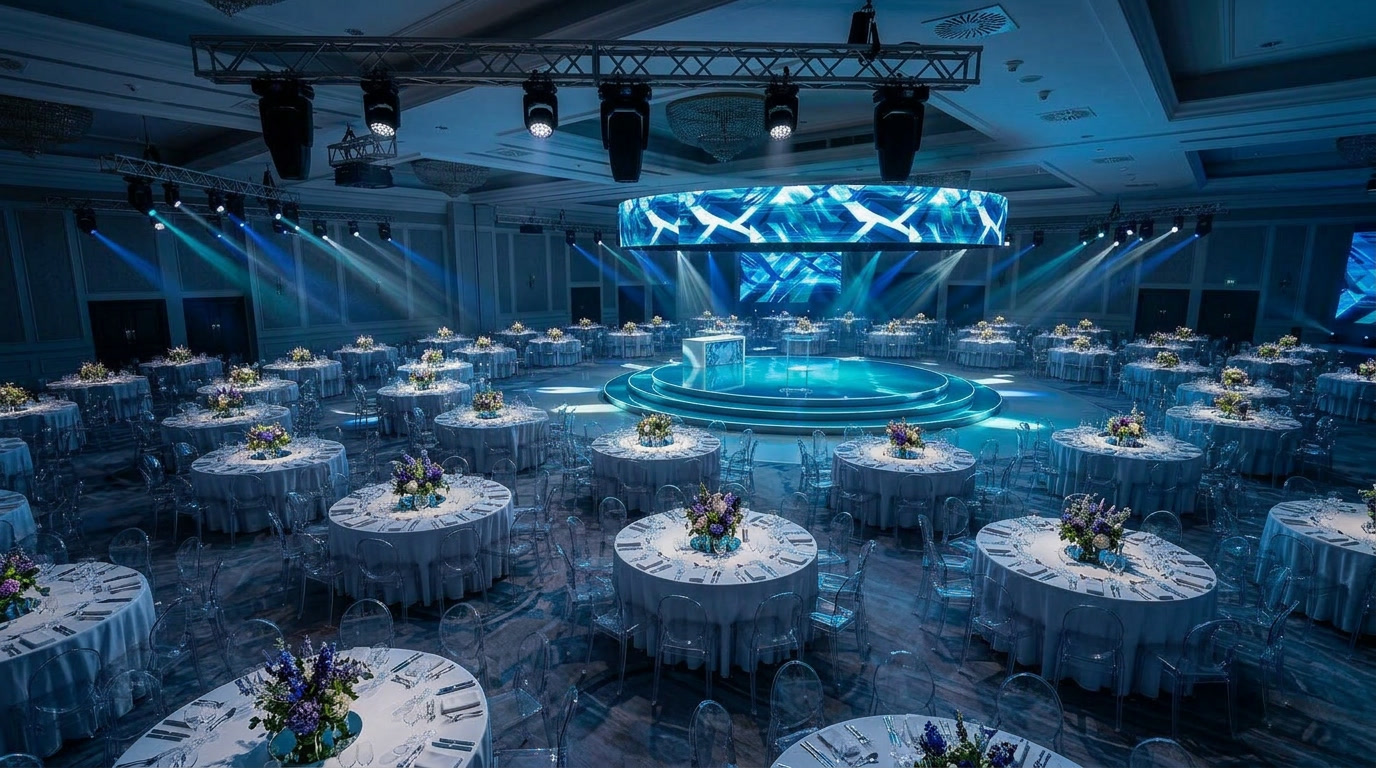
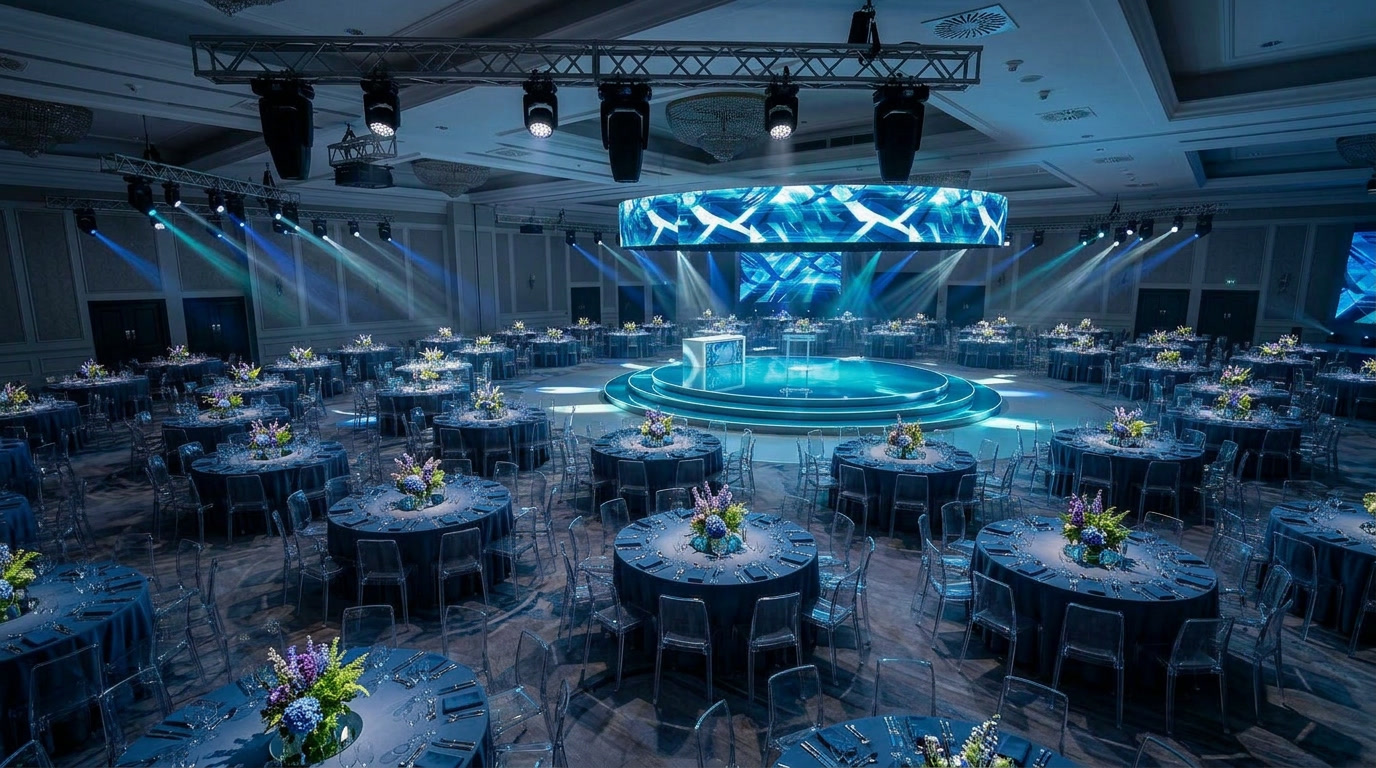
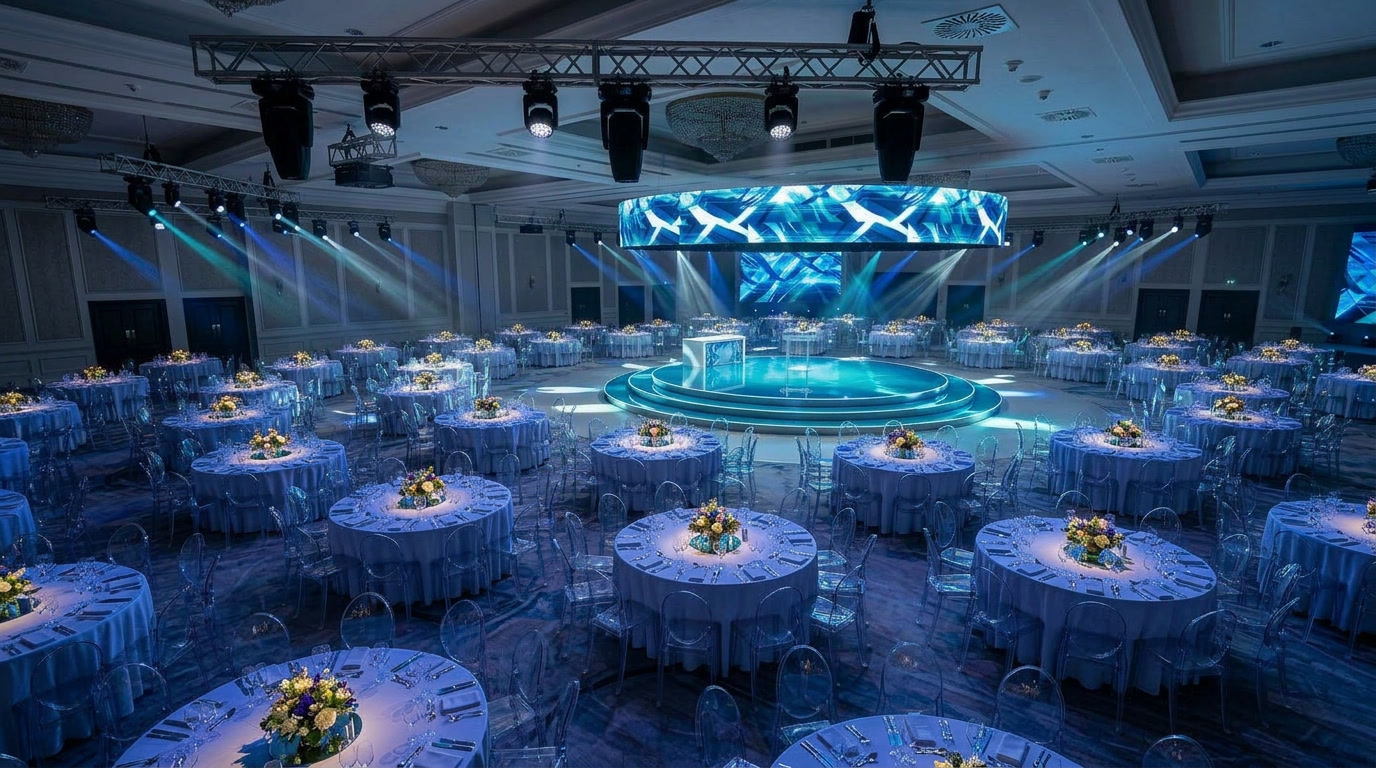
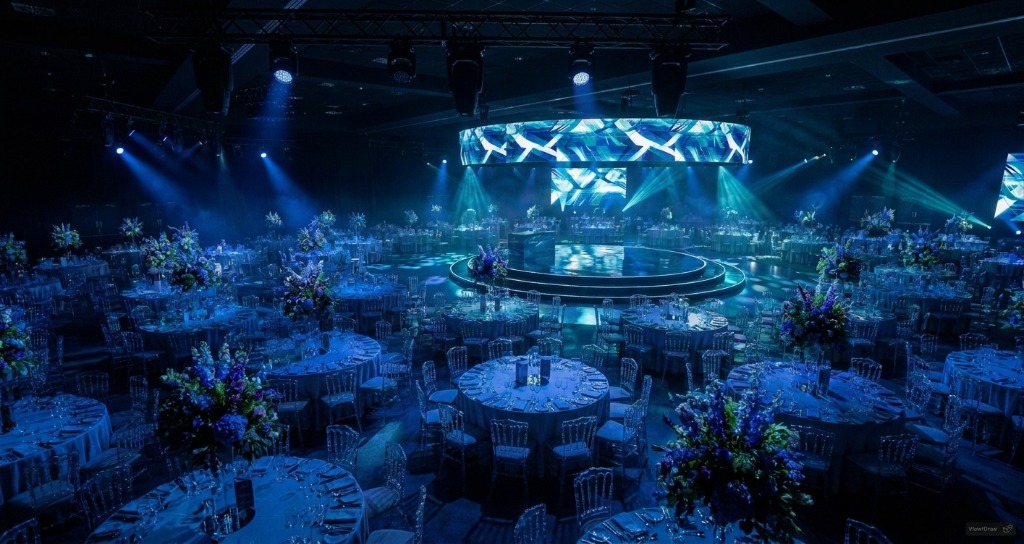
"Maintain framing, but add colorful florals, a dark blue table wash, and clear plexiglass chairs."
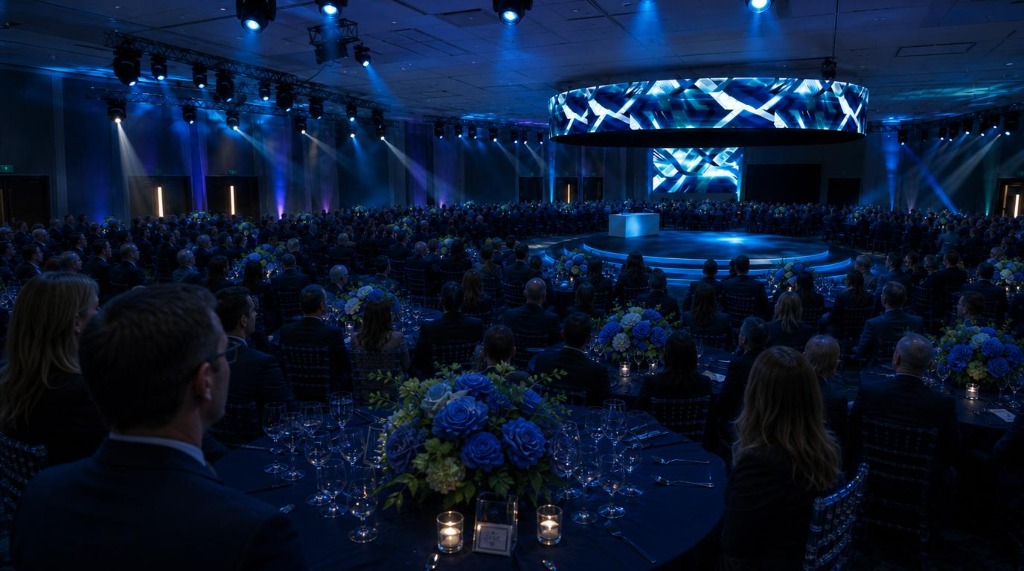
Prompt 3: Audience Addition
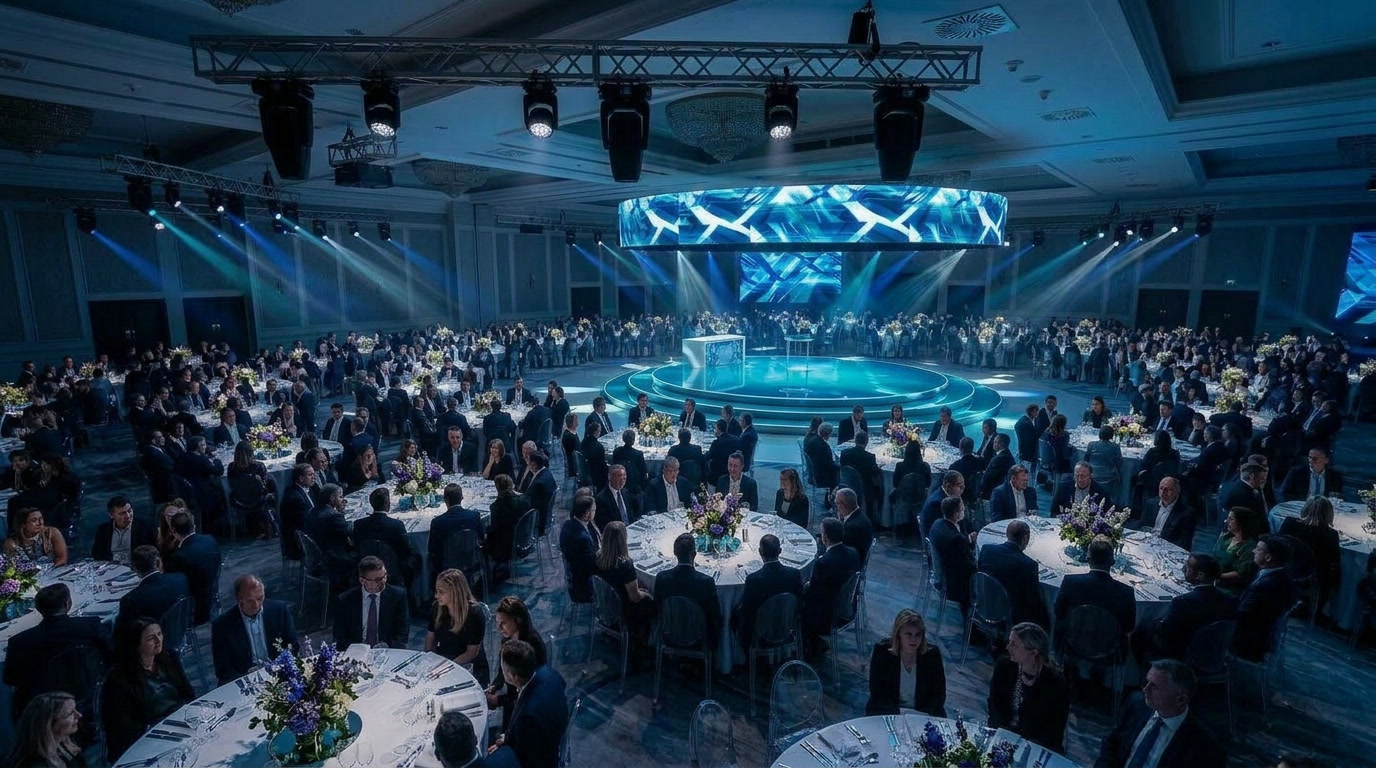
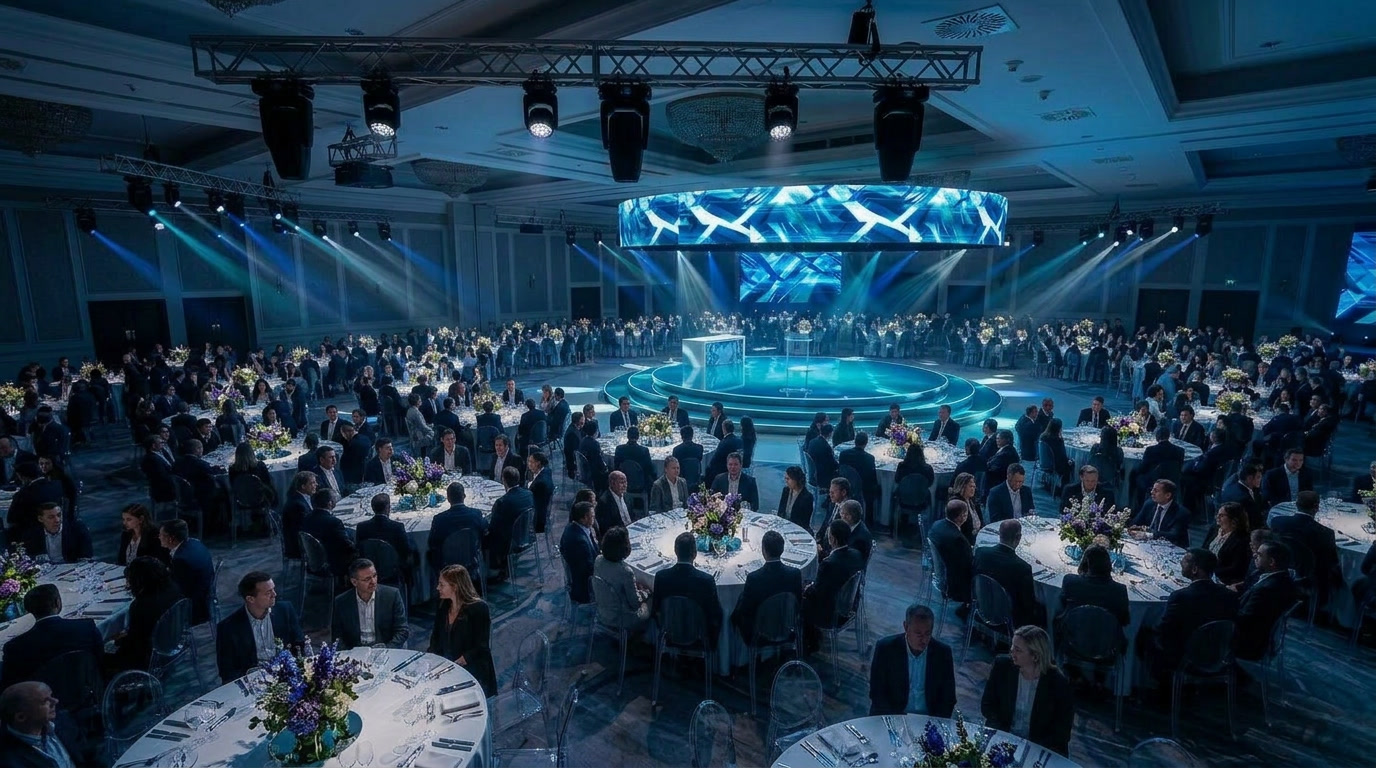
"Add an attentive foreground audience..."
Prompt 4: Perspective Shift
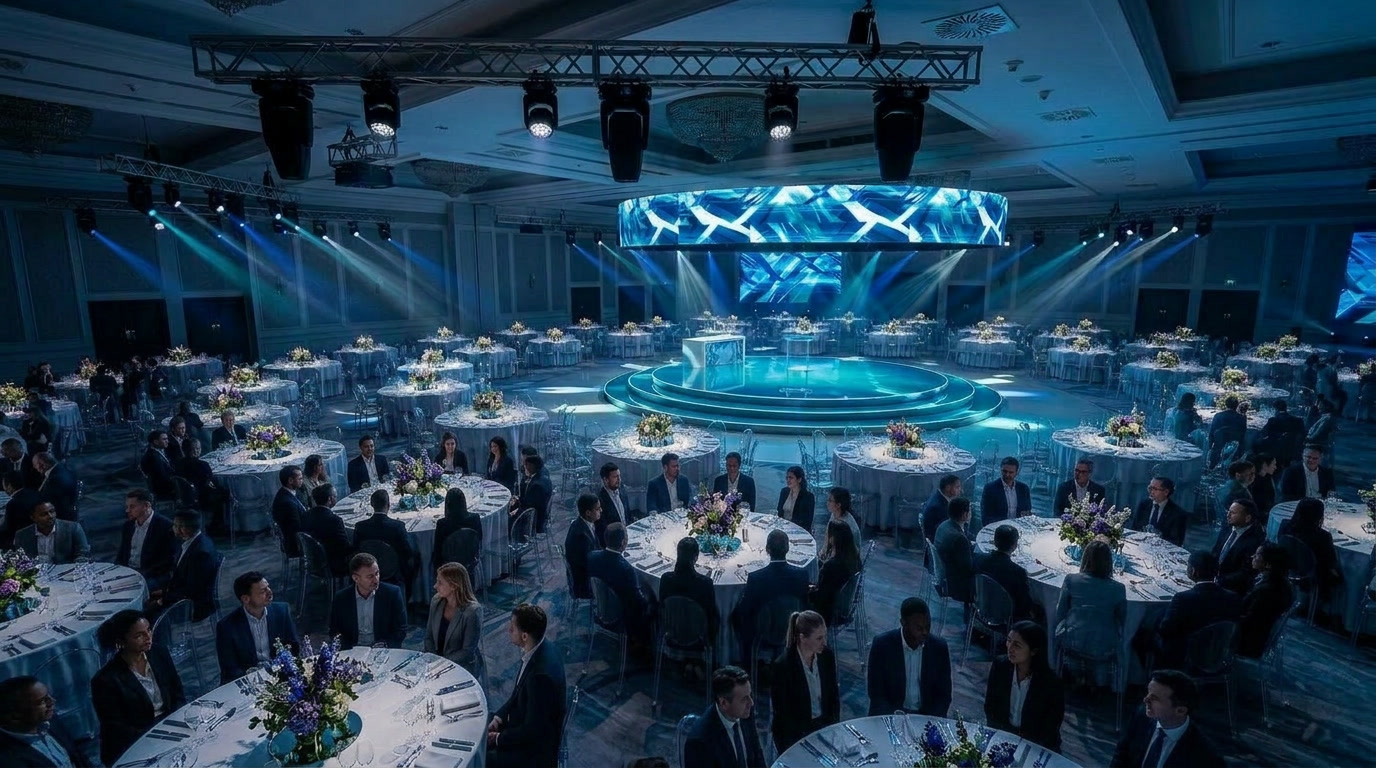
"Shift camera perspective to a side angle..."
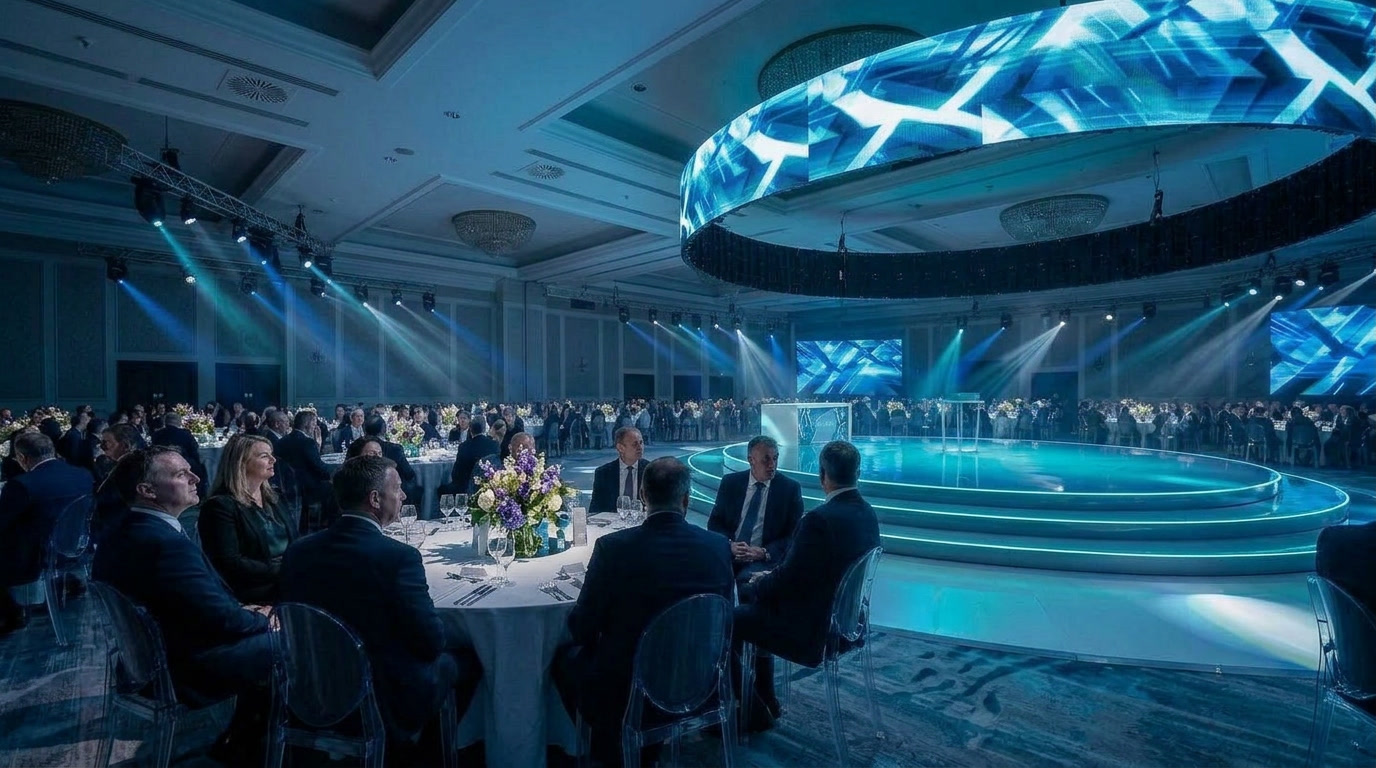
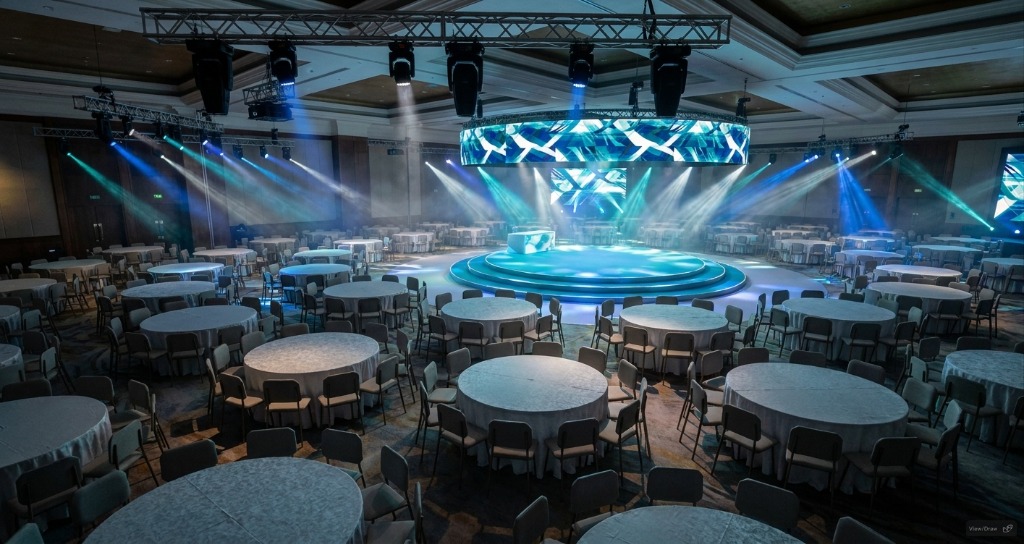
Prompt 1: Base Render
"A photorealistic, premium corporate conference event..."
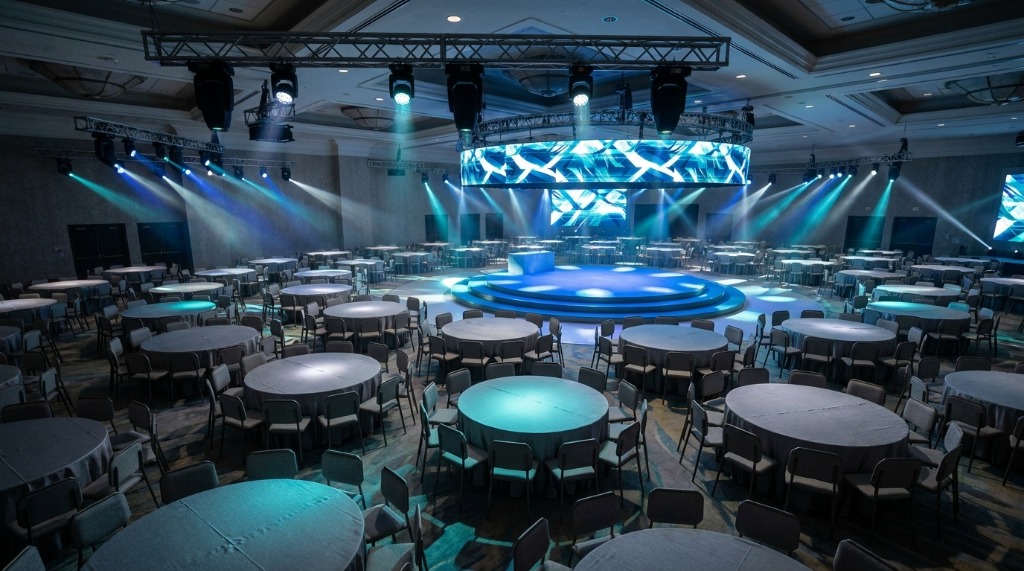
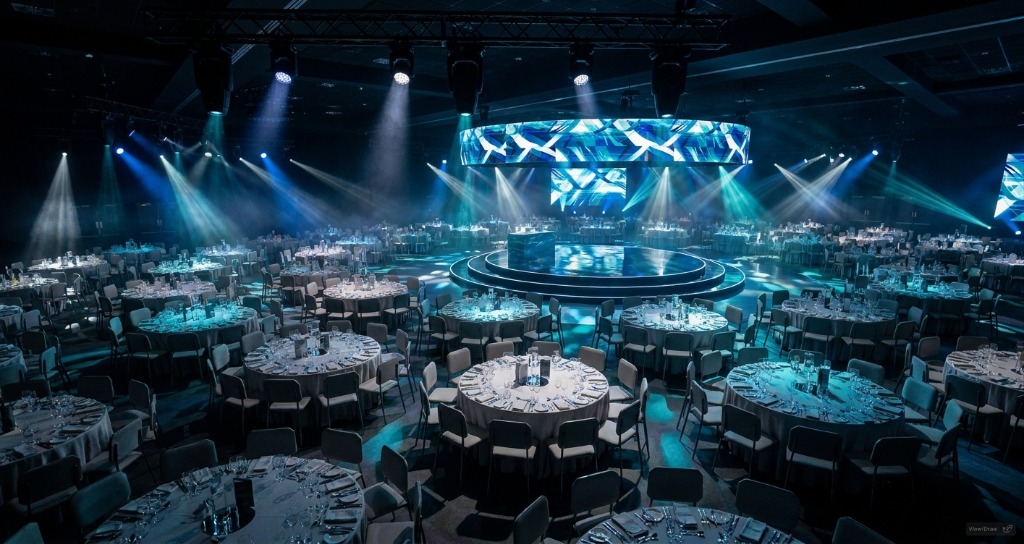
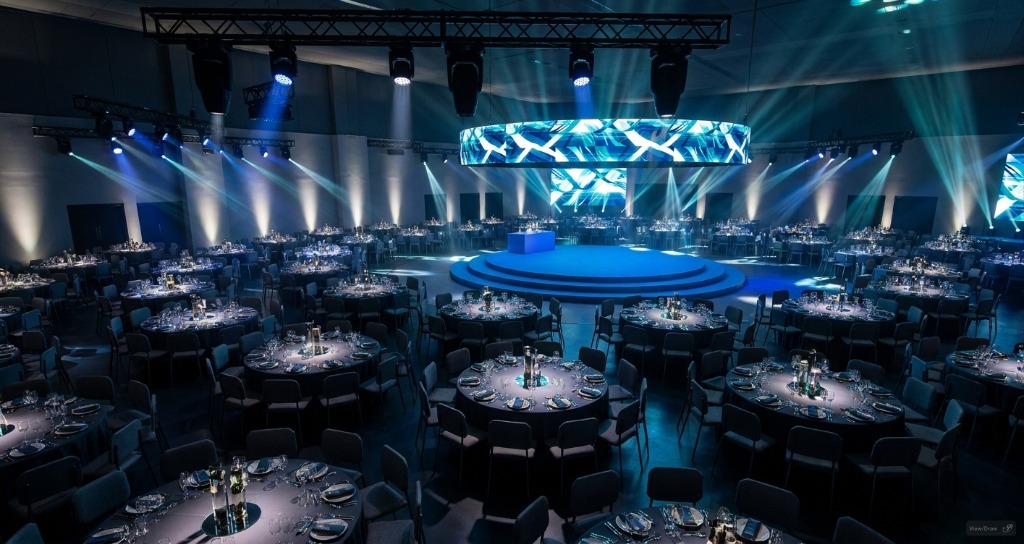
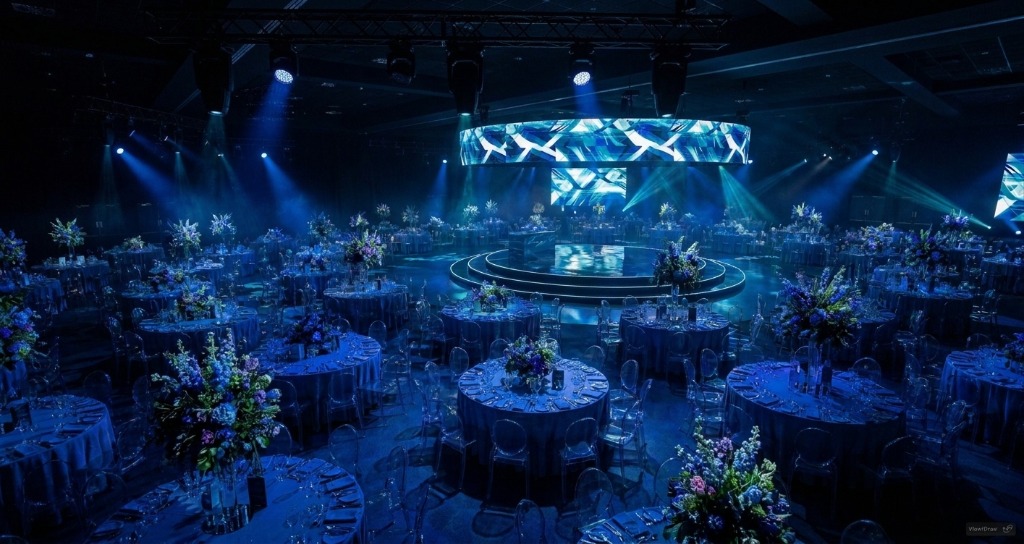
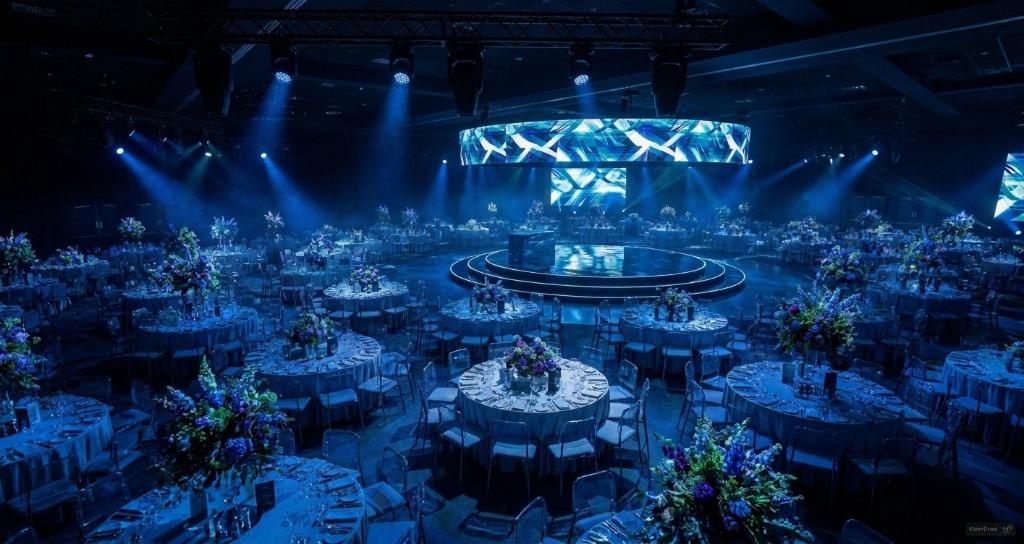
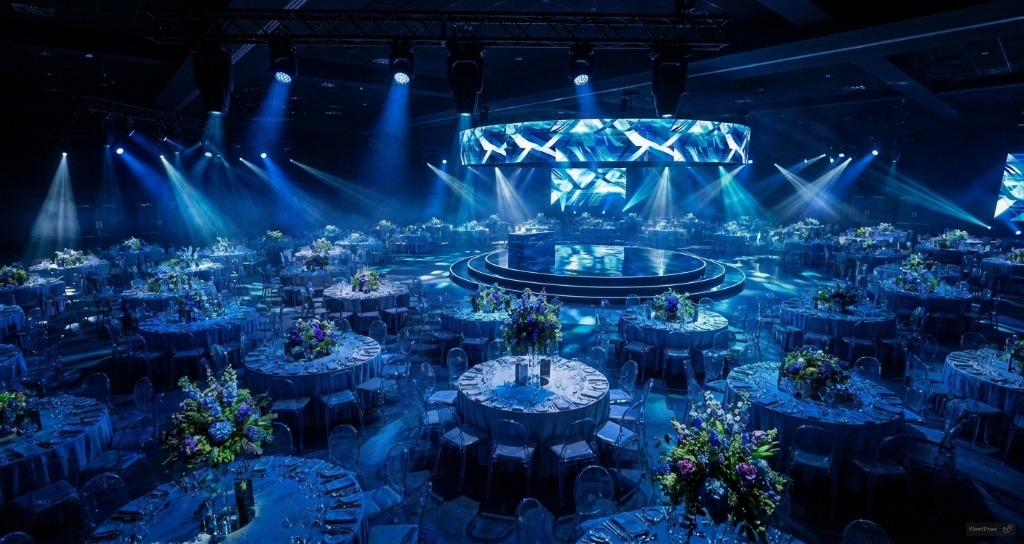
Prompt 2: Adding Details
"Maintain framing, but add colorful florals, a dark blue table wash, and clear plexiglass chairs."
Prompt 3: Audience Addition
"Add an attentive foreground audience..."
Prompt 4: Perspective Shift
"Shift camera perspective to a side angle..."
EXPLORATIVE R&D: AI IMAGE GENERATORS
A practical stress-test of five AI models, exploring how they interpret a basic CAD plot to build a realistic event space.
OVERVIEW
This report documents a staged comparison of five AI image generators, using a bespoke event CAD drawing as the starting point for a multi-step rendering workflow.
The purpose of the test was not simply to find the "best image," but to evaluate how different models handled continuity, prompt adherence, scale, spatial understanding, camera changes, and the translation of a technical event layout into a believable conference environment.
The test was intentionally demanding. The source image included a relatively complex stage design with curved truss, multiple lighting positions, LED architecture, staged seating, and later the addition of people, florals, audience, and a perspective shift. In practice, this made it a useful filter for identifying which models were genuinely useful for controlled event visualisation work and which were more suited to conceptual ideation.
WORKFLOW STRUCTURE
The test was run as a sequence of four prompts, each building on the previous image.
- Prompt 1 — Base render: A photorealistic, premium corporate conference event...
- Prompt 2 — Adding details: Maintain framing, but add colorful florals, a dark blue table wash, and clear plexiglass chairs.
- Prompt 3 — Audience layer: Fill every seat in the foreground with an audience of corporate attendees...
- Prompt 4 — Perspective shift: Change the camera perspective to an attendee seated in one of the front rows...
ADHERENCE CROSS-CHECK
| Model | Prompt 1 Base Room |
Prompt 2 Adding Details |
Prompt 3 Audience & Depth |
Prompt 4 Perspective Shift |
|---|---|---|---|---|
| Nano Banana 2 | Strong start. Clean, natural image with good palette and solid structural understanding. | Performed very well. Subtle look, good prompt adherence, and one of the best images in this round. | Still among the cleanest results. Nearly all seats filled, with good continuity. | Excellent. Handled the camera move very well, and the re-render often improved photorealism. |
| Nano Banana Pro | Strong start. Good structural understanding and solid quality. | Good adherence. Lights still a bit strong, but image quality remained high. | Strong result. Kept to the seating and scene logic well, and looked slightly crisper than Nano Banana 2. | Very impressive. Perspective change worked especially well, and it maintained scene consistency unusually well. |
| GPT Image 2 | Acceptable but stylised. Slightly cartoony, and the stage lighting disappeared too much. | Still had the recognisable GPT look. Cleaner, but not especially exciting or accurate in lighting logic. | Slow generation in Leonardo. Adhered reasonably, but the image remained visually "meh". | Better in motion than as a still, but scale drifted and audiences skewed older. Truss detail was strong. |
| Seedream 4.5 | Good initial understanding. Quick, natural-looking, and relatively good at maintaining positions. | Lost the plot here. Changed the LED wall, perspective, and pushed stage lighting far too hard. | Did okay in a second pass, but dimensions drifted and prompt adherence remained inconsistent. | Wild. It changed perspective but produced an unnatural shot, making it weak for controlled continuity. |
| Flux 2 | Interesting but unreliable. Some images had quality, but lighting was too strong and haze inconsistent. | Fell apart on scale. It did not understand chairs as a reference for perspective and human proportion. | Added audience in a visually interesting way, but changed layout and dimensions. | Useful only in a conceptual sense. Framing and room dimensions drifted heavily, as though travelling through different scenes. |
MODEL-BY-MODEL NOTES
Nano Banana 2
Nano Banana 2 emerged as one of the strongest all-rounders in the test. It consistently understood depth and space well, responded clearly to the staging logic, and often handled iterative changes better than expected.
The biggest strength of Nano Banana 2 was not that it was always the prettiest, but that it remained believable. In an event-production context, that matters more than visual spectacle.
Nano Banana Pro
Nano Banana Pro remained on a par with Nano Banana 2 overall, but with a slightly different personality. It often looked more mathematically resolved, especially during the perspective-change stage, where the camera move worked particularly well.
The strongest impression from Pro was that it could change an entire camera angle and still preserve a surprising amount of scene logic, even with relatively complex staging, seated panel composition, and structural background elements. This made it feel dependable for workflows that require consistency.
GPT Image 2
GPT Image 2 consistently understood the assignment, but always carried a recognisable look. The colours were punchy and the output often became more appealing in motion than as a still, but the aesthetic remained distinctly "GPT".
In stills, it could feel slightly cartoony, over-smoothed, or missing key lighting logic. In video transitions, however, that same punchiness often helped, because motion distracted from the weaker details and made the sequence feel more polished.
Flux 2
Flux was fascinating, but not dependable for this use case. It could generate beautiful frames, and in motion the output could even be attractive, but its understanding of continuity, room dimensions, and scale was weak.
The model seemed well suited to conceptual ideation rather than controlled development. It often felt as though each prompt was nudging the scene into a parallel version of itself rather than maintaining one consistent environment.
Seedream 4.5
Seedream was initially underestimated because one of the weaker images had been chosen too early. A second pass showed that it could do better than first assumed, especially when starting again from Prompt 2.
Even so, the recurring issue with Seedream was drift. Dimensions shifted, the LED wall changed too readily, lighting often blew out, and the final perspective shot tended to become unnatural. It could produce good-looking images, but not with the level of control needed for a tightly managed progression.
KEY FINDINGS
- Complexity is a useful filter: Most models produced a decent first image, but adding panelists, florals, audience, and a perspective shift exposed which models truly understood the scene.
- Spatial understanding over surface polish: Some models followed text well but broke the room. Nano Banana models demonstrated superior spatial reasoning, which is critical for event visualisation.
- GPT improved in motion: GPT's stylised colour treatment worked more effectively when the eye was tracking movement rather than scrutinising a frozen frame.
- Video models showed a stronger understanding of lighting physics: Video tools often showed a better grasp of stage lighting than image models. Moving lights, beam direction, and haze felt more plausible in motion due to the models being trained on temporal behaviour.
- Flux has a role in conceptual ideation: Flux's tendency to drift is a weakness for technical continuity but a strength when exploring ideas quickly and loosely.
PRACTICAL CONCLUSION
The most valuable models were not necessarily those that produced the prettiest single image, but those that best understood space, staging logic, camera continuity, and scene behaviour over time. Nano Banana 2 and Nano Banana Pro were the strongest practical tools for this specific event-visualisation workflow.
CORE COMPETENCIES
Commercial Strategy
End-to-end budget ownership, margin protection, estimating, and vendor negotiation.
Technical Pre-Production
Vectorworks (CAD), Cinema 4D, custom stage builds, and cross-departmental management.
Operational Innovation
Modernising pre-production workflows by helping teams adopt effective project management systems and practical new technologies.
Global Delivery
International logistics, on-site technical direction, and freelance crew leadership.
PROFESSIONAL EXPERIENCE
Senior Production Manager
Retained by former agency to manage top-tier client accounts, overseeing the end-to-end technical pre-production, commercial quoting, and delivery of complex live and virtual events.
- Commercial & Budget Management: Autonomously managing high-stakes event portfolios for leading financial institutions, with individual project budgets ranging from £20k to £500k+. Fully responsible for end-to-end financial control, including accurate estimating, vendor negotiation, margin protection, and final reconciliation.
- Technical Design & Pitching: Leading the conceptualisation phase by producing precision Vectorworks (CAD) plots and advanced 3D renders (Cinema 4D). Modernised the pitch process by developing workflows that transform Vectorworks bases into AI-generated event renders, ensuring high-quality, stylistically consistent visuals for RFQs.
- Workflow & Systems Implementation: Collaborated across the agency to design and integrate a comprehensive Monday.com project management workflow, guiding the team through successful adoption. Additionally developed practical AI solutions (including local LLMs and automation workflows) to improve quoting speed and accuracy.
- Global On-Site Leadership: Delivering high-stakes events across the USA, Asia, Europe, and the UK. Highly adaptable on the ground, directing local vendors and unfamiliar freelance crews to ensure seamless execution anywhere in the world.
Freelance Technical PM & Consultant
- Pandemic Pivot: Demonstrated extreme adaptability during the global shutdown of live events by teaching English online to international students, whilst concurrently upskilling and transitioning into remote technical consulting for virtual events.
- Remote Project Management: Began freelancing remotely for Broadsword, managing complex virtual and hybrid event workflows. The success of this remote integration directly led to a permanent offer to rejoin the agency in London in a senior capacity.
Head of Technical Production
- Commercial Pitching & Sales: Recruited by the in-house technical vendor for the prestigious Manchester Central venue, specifically tasked with pitching and securing high-value technical production contracts for large-scale events in the main hall.
- Crisis Management: Navigated the unprecedented operational shutdown of the venue on day one of the COVID-19 pandemic, fulfilling a three-month crisis-management contract before transitioning to remote consulting.
Director & Shareholder (Promoted from Production Manager)
Progressed from hands-on project management to a company leadership role, taking ownership of technical operations and driving agency growth before a successful exit and share sale in 2019.
- Executive & Operational Leadership: Served on the Board of Directors, driving commercial strategy and agency scaling. Directed day-to-day company operations, overseeing HR, warehouse logistics, and designing the core internal workflow systems the agency ran on.
- Central Production Hub: Acted as the crucial bridge between creative, production, and technical teams. Ensured every project was successfully deployed by coordinating the exact allocation of AV equipment, scenic elements, and specialised freelance crew.
- Cross-Departmental Management: Facilitated the workflow between 3D designers and technical fabricators for high-end custom builds. Additionally founded an in-house scenic staging department from scratch, handling 95% of standard stage builds and successfully bringing previously outsourced revenue in-house.
EARLY CAREER
Production Manager
Managed all live event work and in-house teams at major venues (including Emirates Stadium). Designed, budgeted, and produced live shows, conferences, and product launches.
Venue Manager
(Central Methodist Hall & One Great George Street)
Led all technical aspects and event delivery within large-scale, prestigious London venues, establishing a 'One Team Approach' to venue management.
Sound and Live Events Technician
Built foundational, high-pressure technical expertise delivering live sound and event production in demanding, fast-paced environments.
EDUCATION & CERTIFICATIONS
- BA (Hons) Creative Music Technology Second Class, Upper Division (2000)
- Certifications IOSH Managing Safely (2017), TEFL 140-Hour (2018), NLP Practitioner (2018)
PERSONAL INTERESTS
- Tech & Automation: Actively experimenting with AI-driven video and image generation, local LLM management, and low-code/no-code automation workflows (e.g., n8n).
- Live Events: A lifelong passion for attending live music and comedy gigs.
- Downtime: Planning travel across Asia, strategy gaming, and weekend walks with my cockapoo.